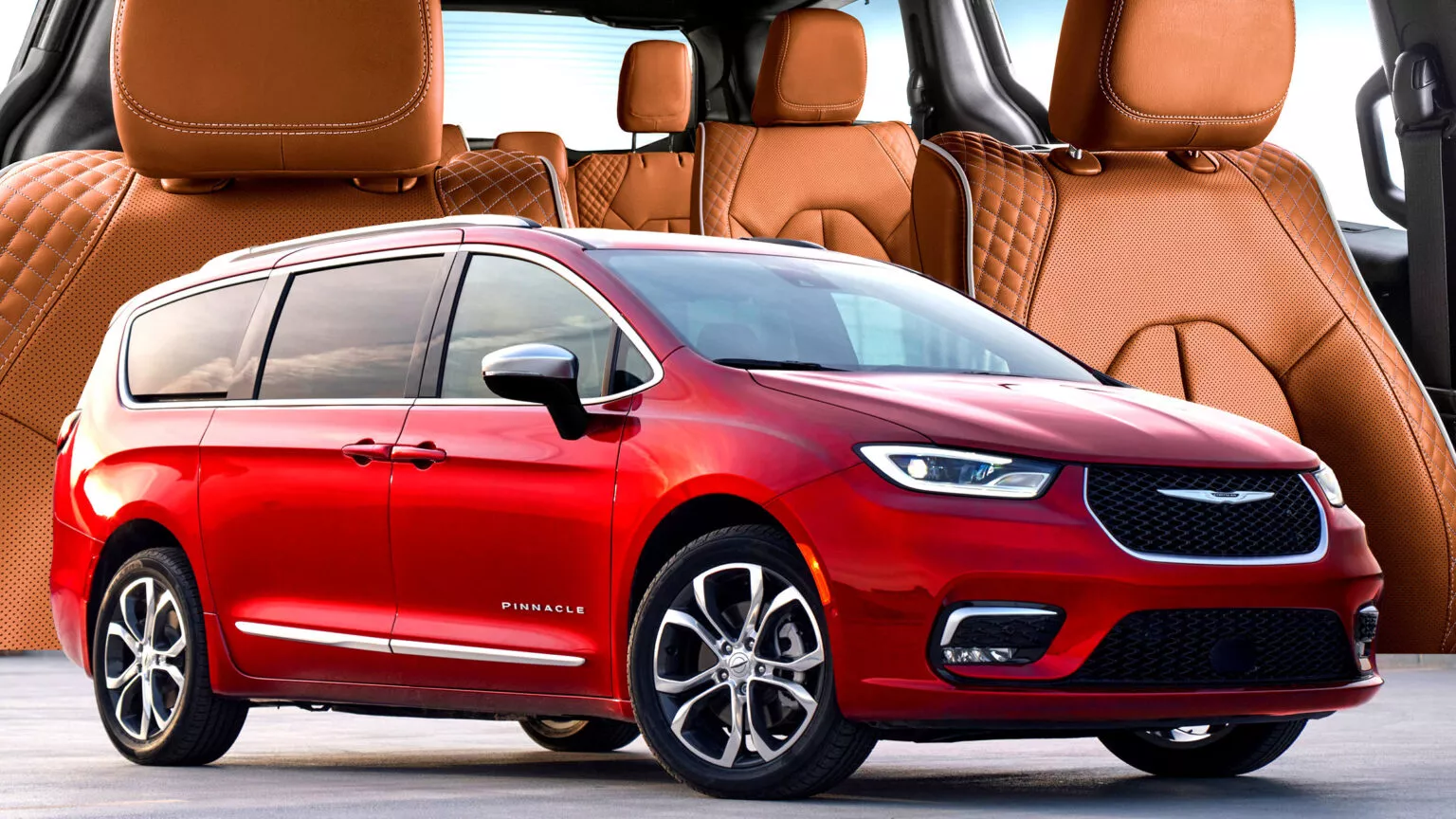
The family car conversation has swung back toward honesty. Parents still like the height and image of SUVs, but school drop-off lines, grocery runs, sports gear, strollers, grandparents, and long weekend drives tell a different story. The Chrysler Pacifica Hybrid is getting fresh attention because it solves the boring problems that shape real American driving: fuel stops, cabin space, sliding-door access, and calm seating for seven.
This is not only a car story. It is a household math story, the kind of shift that shows up when families track costs through consumer demand updates and notice how much a daily route can cost over a year. Chrysler says the plug-in model is no longer in production, but also notes that used or dealer-sourced examples may still be available, with limited stock depending on local dealers. Its former ratings included up to 32 miles of all-electric range and up to 520 miles of total range.
For U.S. families, that explains the new buzz. A plug-in hybrid minivan does not need to look flashy to win. It needs to make Tuesday easier.
Why the Minivan Is Pulling Parents Back
The minivan never vanished because it failed. It faded because buyers wanted to feel less like parents on wheels. SUVs won the image fight for a long time. Still, the driveway test has a way of cutting through style. Try loading two car seats, a folding wagon, baseball bags, a Costco run, and a tired child who refuses to climb. Suddenly, sliding doors feel less old-fashioned and more like mercy.
The quiet comeback is built on friction. American families are busier, vehicles cost more, and gas prices still sting when weekly driving piles up. A family vehicle that lowers stress without asking you to change your life earns attention fast.
The school-week math favors calm
A parent in Ohio or Texas may not care about brand language on a Tuesday morning. They care about whether a second grader can climb in alone while the baby stays asleep. They care about whether the third row can be reached without folding a seat covered in crumbs and booster straps.
That is where the van body still has an edge. Lower step-in height matters. Wide sliding doors matter in tight parking spaces. A tall SUV can look stronger in a driveway, but it can also turn a daycare pickup into a shoulder workout.
The counterintuitive part is this: the less exciting vehicle often feels richer in daily use. Comfort is not only leather or screens. It is the absence of small fights. No door dings. No climbing over seat bases. No asking a child to “scoot over” while traffic builds behind you.
Families shopping this segment should compare real cabin routines, not only spec sheets. A three-row SUV may offer strong cargo numbers, yet still feel tight once the third row is up. A minivan often gives space in a shape parents can use.
Why SUVs are losing some shine
SUVs are not going away. They still make sense for snow states, towing needs, rough roads, and buyers who want more ground clearance. But many families bought them as a default answer. That habit is being questioned.
The problem is that a family vehicle is judged in small moments. Can a kid buckle without help? Can an adult sit in the third row for 40 minutes? Can groceries fit behind the last row without stacking eggs under soccer cleats? Those moments expose the gap between showroom appeal and living with the car.
A minivan also sends a clear message: this purchase is about the people inside. That may sound plain, but it is a serious advantage. Parents who once avoided vans because of image are now more open to them because the value is easier to defend.
For more comparison planning, buyers can use three-row family car shopping tips before walking into a dealer. The best choice is rarely the one that wins the parking-lot beauty contest. It is the one that makes the next five years easier.
Why Chrysler Pacifica Hybrid Demand Is About More Than Mileage
Mileage starts the conversation, but it does not finish it. The renewed interest around this model comes from the mix: gas backup, electric commuting, minivan space, and a cabin made for families rather than weekend fantasy. That blend is hard to replace.
There is also a timing issue. Chrysler’s official page now presents the plug-in version as out of production, which can push shoppers toward remaining dealer stock, certified used listings, or private-party examples. Scarcity changes behavior. When families think a useful model may become harder to find, they move faster.
The plug-in hybrid minivan fits short American routes
Many U.S. families do not drive 200 miles a day. They drive eight miles to school, four miles to work, three miles to practice, six miles to the store, then back home. That pattern is where a plug-in hybrid minivan makes sense.
The former 32-mile electric driving range was not meant to replace every road trip. It was meant to cover the repeat loops that eat fuel quietly. A family with home charging could handle many local errands before the gas engine became the main player. That is a practical kind of savings, not a bragging point.
It also removes a fear that full EV shoppers sometimes carry. If a weekend trip runs long, the gas engine is there. If a public charger is broken, the family is not stranded. That middle ground is why plug-in hybrids can feel less stressful for buyers who are curious about electric driving but not ready to depend on charging alone.
The non-obvious insight is that plug-in hybrids work best for people with ordinary habits. A short commute, a garage outlet, and predictable errands can matter more than a giant battery. Bigger is not always smarter.
Electric driving range changes the weekday budget
Fuel savings are not only about long highway numbers. They are about the boring miles repeated every week. School runs, grocery trips, dentist visits, and local sports travel can add up before a family notices.
Edmunds lists the plug-in version with 32 miles of all-electric range, 30 MPG once the battery is drained, front-wheel drive, and seating for seven. Those numbers help explain why shoppers compare it against both hybrids and gas-only minivans.
The EPA-style rating also gave the model a strong talking point. Chrysler said the plug-in version had an EPA-estimated 82 MPGe rating when using electric energy, which helped position it as a cost-aware family hauler rather than a niche green purchase.
Still, buyers should be honest about home charging. Without a reliable outlet, the value gets weaker. With one, the van can turn many short trips into electric miles while keeping gasoline for longer travel. That is the whole appeal.
What Buyers Should Check Before They Chase One
Demand can make people sloppy. A buyer hears that a model is getting harder to find, then rushes into the first clean listing. That is how families overpay, miss recall checks, or buy a trim that does not fit their daily life.
This model deserves a careful look because it sits in a strange market position. It has a loyal audience, a useful layout, and a powertrain many families like. It also has questions around availability, age, warranty coverage, and service history.
New, used, and leftover stock are not the same deal
A leftover dealer unit, a certified used van, and a private sale are three different purchases. The price may look close, but the risk is not the same. A certified model may cost more because it adds inspection, warranty support, or dealer backing. A private listing may save money upfront but leave you doing more homework.
Start with the VIN. Check service records, open recalls, battery warranty details, and whether the charging cable is included. A missing cable is not a deal breaker, but it is a sign to slow down. Small missing parts often reveal how carefully the vehicle was kept.
A real-world example: a family in Arizona may find a low-mile model that looks perfect online. But if it spent years in heat, battery history and cabin wear matter. A family in Michigan may care more about winter tires, road salt, and whether the sliding doors still work smoothly after cold seasons.
Price is only one part of value. A clean history can be worth more than a small discount.
Battery, warranty, and recall checks matter
Plug-in models need normal used-car checks plus electrified-powertrain checks. Ask when the 12-volt battery was replaced. Confirm charging works on Level 1 and Level 2. Drive it in electric mode if possible, then in gas-hybrid mode. Listen for odd transitions.
Also check federal safety recall records through an official source such as the NHTSA recall lookup tool. This matters for any used family vehicle, but it matters more when kids will sit in the second and third rows every day.
The non-obvious point is that a plug-in van can be a smart buy even when it is not the cheapest listing. The better buy is the one with fewer unknowns. Families often save money by avoiding the bargain that later needs tires, brakes, software work, or missing accessories.
For a deeper buying checklist, use used hybrid vehicle inspection guide before making an offer. A patient buyer usually gets the better van.
How It Stacks Up Against the SUV Habit
The SUV habit is powerful because it feels safe, stylish, and familiar. But families are starting to ask a sharper question: safe and stylish for whom? The driver may enjoy the higher seating position, while kids struggle with tight third-row access and adults dread loading cargo behind upright seats.
That is why the renewed interest around this van is not strange. It is a correction. Families are comparing comfort against image, and comfort is starting to win again.
Cargo space beats image on hard days
A minivan’s cargo advantage shows up when life is messy. Think about a Saturday with a stroller, cooler, folding chairs, sports bags, backpacks, and groceries. An SUV may have the attitude. The van has the square space.
That boxy shape is not a design failure. It is the point. Tall, open cargo areas make it easier to stack real objects. Sliding doors help in narrow school lots. Lower floors help kids and grandparents. These details do not sound glamorous, but they become the things owners praise after six months.
Parents’ 2026 family car awards named the model the winner for Best Hybrid 3-Row Minivan and described it as the only plug-in hybrid minivan on the market at that time, with electric driving backed by gas range.
The surprise is that minivans can feel more premium than SUVs when used hard. Not because they look richer. Because they waste less effort.
The smart buy depends on your driveway
No vehicle is perfect for every family. A plug-in hybrid minivan works best when you can charge at home, drive many short trips, and need easy cabin access. It may not be ideal if you need all-wheel drive in a snowy rural area, tow often, or lack a place to plug in.
That last point is easy to miss. Without charging, you still have a useful van, but you lose the main benefit. A buyer in a suburban home with a garage outlet may get strong weekday value. A renter in an apartment with no charging may be better served by a conventional hybrid or gas minivan.
The SUV question should come last, not first. Begin with your real week. Count passengers, parking spaces, trip lengths, cargo needs, and charging access. Then pick the body style that fits that life.
A family vehicle should not ask you to perform a lifestyle. It should carry the one you already have.
Conclusion
The renewed attention around this plug-in van says something bigger about American family buying. Parents are tired of paying more for vehicles that look adventurous but make daily life harder. They want space, lower running costs, easier loading, and fewer little battles in parking lots.
That is why the Chrysler Pacifica Hybrid still has pull, even as shoppers need to be careful about current availability and used-market condition. The appeal is not nostalgia. It is function returning to the center of the purchase.
For the right household, a well-kept plug-in minivan can cover local miles with less fuel, handle long trips without charging anxiety, and make the second row feel like a tool instead of a puzzle. The smart move is not to chase hype. It is to inspect carefully, compare calmly, and buy the van that fits your real week. Choose the vehicle that makes family life easier before the first payment is due.
Frequently Asked Questions
Is the Chrysler plug-in minivan still being made?
Chrysler’s U.S. page says the plug-in version is no longer in production, though buyers may still find used or dealer-sourced examples. Availability depends on local inventory, trade-ins, and remaining stock, so shoppers should verify listings directly with dealers.
How far can the plug-in hybrid minivan drive on electric power?
The former official figure was up to 32 miles of all-electric driving. That range fits many school runs, errands, and short commutes. Real results depend on weather, speed, driving style, battery condition, and how often the vehicle is charged.
Is this family vehicle better than a three-row SUV?
It can be better for families who need easy access, sliding doors, low step-in height, and practical cargo space. A three-row SUV may be better for towing, rough roads, or all-wheel-drive needs. The right answer depends on your week.
Does the plug-in model have all-wheel drive?
The plug-in version is front-wheel drive. Buyers who need all-wheel drive should compare gas Pacifica models or rival SUVs and minivans. This is a major point for families in snowy areas, steep neighborhoods, or rural roads.
What should I check before buying a used plug-in minivan?
Check the VIN, recall status, service records, charging cable, tire condition, brake wear, battery warranty, and whether both gas and electric modes work properly. A pre-purchase inspection by a hybrid-aware mechanic is worth the cost.
Is home charging required to make it worthwhile?
Home charging is not required, but it makes the value stronger. A standard outlet can work for overnight charging, while Level 2 charging is faster. Without regular charging, much of the plug-in benefit disappears.
Why are families interested in minivans again?
Families are paying closer attention to daily comfort, fuel costs, and space. Sliding doors, lower floors, wide cabins, and usable third rows solve problems that many SUVs hide behind style. Practicality is becoming easier to defend.
Should I buy one now or wait?
Buy now only after checking condition, price, warranty, and local options. Scarcity can push prices up, so patience matters. Compare certified used models, dealer listings, and rival minivans before signing anything.