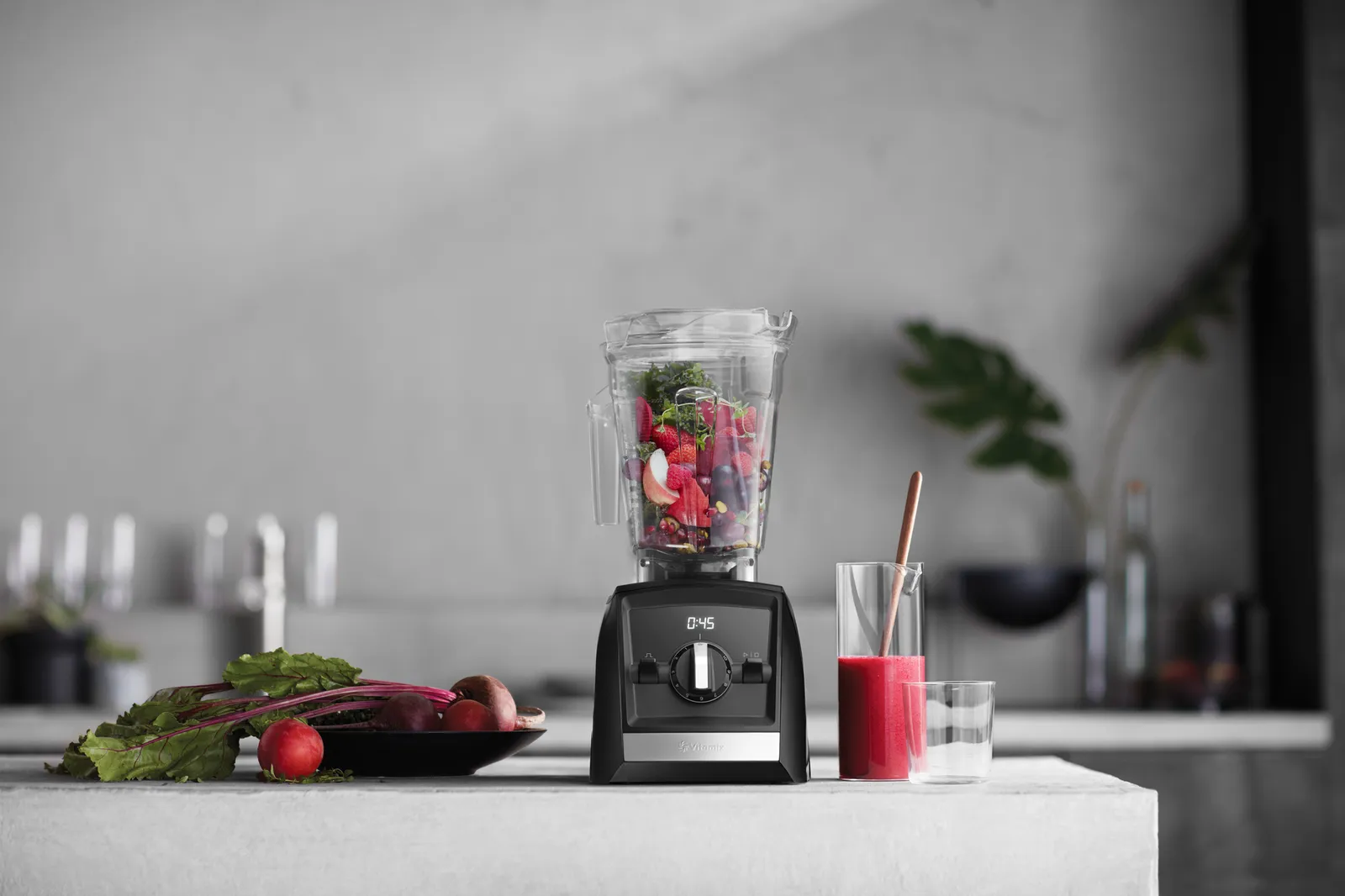
A blender’s color should not matter as much as its motor, jar, or daily use. Yet the Vitamix A2300 sits in that odd kitchen category where design can push someone from “maybe later” to “add to cart.” For U.S. buyers watching premium appliance drops, a new finish can make an already familiar machine feel fresh without changing the way it blends. That is the real story here. People are not only buying power; they are buying something that can live on the counter without looking like a garage tool. Coverage from consumer product trend reporting often shows the same pattern: shoppers care about performance first, then style decides which model wins the kitchen. Official listings show the model includes a 64-ounce low-profile container, variable speed control, pulse, wireless connectivity, and a 10-year warranty, so the color conversation sits on top of a serious appliance, not a weak novelty.
Why the Vitamix A2300 Color Release Gets Attention
Color does something specs cannot. It turns a purchase from a tool decision into a kitchen decision. A buyer may compare motors and warranties for ten minutes, but the final choice often happens when they picture the appliance next to white cabinets, a walnut island, or a black stainless range.
Countertop appliances have become part of the room
For years, big blenders were stored in lower cabinets because they looked too heavy for the counter. That habit is changing. Open kitchens, smaller homes, and daily smoothie routines have made countertop space more valuable. If something stays out, it has to earn its place visually.
That is where a new blender color can matter. A softer finish can make a high-performance blender feel less like equipment and more like part of the kitchen plan. In a Boston condo, a slate or white finish may disappear into the counter better than a loud appliance. In a Texas family kitchen, a deeper color may match dark hardware and look more settled.
The non-obvious part is that color can increase use. When a machine looks good enough to stay out, you are more likely to use it. A blender hidden behind mixing bowls becomes a weekend tool. A blender near the fruit bowl becomes breakfast.
The finish is not the feature, but it can close the sale
The smartest way to read an exclusive blender color is as a buying nudge, not a technical upgrade. It does not make frozen fruit smoother. It does not change the blade path. It does not turn soup hotter.
Still, it can solve hesitation. Many shoppers already know Vitamix sits in the premium lane. They may have compared it with Ninja, Breville, or Blendtec, then paused because the price feels high. A color that fits the kitchen can make the price feel less like a gadget spend and more like a long-term home purchase.
That is why retailers care about finishes. A color refresh gives shoppers a reason to look again without forcing the brand to rebuild the machine. The practical takeaway is simple: buy the color if you love it, but judge the machine by its controls, container size, warranty, and how you cook.
What This Ascent Series Blender Actually Offers
A good-looking base only matters if the machine can handle real food. This Ascent Series blender is built around manual control, a large container, and smart container recognition. That mix fits people who want power without getting buried in buttons.
Manual control works better for cooks who watch texture
Some buyers assume presets are always better. That is not true for everyone. Manual speed control can be more useful when you care about texture. Salsa, hummus, nut sauces, smoothie bowls, and vegetable soups all behave differently depending on water, fiber, fat, and temperature.
The model’s variable speed dial lets you move from coarse chop to smooth blend by feel. The pulse feature helps when you want texture left in the jar, like a chunky pasta sauce or a rough green chutney. Vitamix says the A2300 includes variable speed control, pulse, wireless connectivity, and a digital timer for manual recipes.
Here is the human test: if you often stop a blender, stir, scrape, add liquid, and restart, you may care more about control than presets. Presets help when you want to walk away. Manual controls help when you want the food to land exactly where you want it.
The 64-ounce jar fits families, meal prep, and batch cooking
The included low-profile container is not small. It makes sense for families, smoothie prep, frozen drinks, sauces, soups, and bigger recipes. Vitamix lists the package with a 64-ounce low-profile container with SELF-DETECT technology, an S2 low-profile tamper, and a cookbook.
That jar size can be a gift or a mismatch. A parent making smoothies for three kids will see the point fast. Someone in a studio apartment making one protein shake at 6 a.m. may find the container wider than needed for tiny batches.
The counterintuitive point: bigger is not always better for blending. Large low-profile jars shine when the blade has enough food around it. For small sauces or single servings, a smaller compatible container can make more sense. That is why the SELF-DETECT container system matters. It lets the base recognize compatible containers and adjust settings for the container size.
For more buying context, add this to your future internal cluster: best blender buying guide.
Who Should Buy It and Who Should Skip It
The easiest way to overspend on a blender is to buy for an imaginary version of yourself. The right buyer does not need to be a chef. They need repeat use. That is the line.
It makes sense for people who blend several times a week
This machine makes the most sense when blending is part of your normal food rhythm. Smoothies count. So do soups, nut butters, frozen desserts, dips, dressings, and sauces. A high-performance blender earns its cost when it replaces several weaker tools and removes friction from meals.
Think of a family in Phoenix making morning smoothies, weekend salsa, and blended soup in winter. Or a couple in Chicago using it for protein shakes, cashew cream, and frozen fruit desserts. Those buyers are not chasing a status appliance. They are buying time, texture, and less frustration.
A budget blender can work fine for soft fruit and liquid. The gap shows up with thick blends, frozen items, fibrous greens, and recipes that need a tamper. That is where a stronger base and better jar design start to feel less like luxury and more like patience saved.
It may be too much machine for casual use
Some people should skip it. That does not mean the blender is bad. It means the buyer is wrong.
If you make a smoothie twice a month, a premium machine may sit there looking expensive. If you mostly blend protein powder with milk, you can spend less. If you hate cleaning containers right after use, even the best blender will become another appliance with dried food under the lid.
There is also a safety note for owners who use smaller Ascent or Venturist blending cups. The U.S. Consumer Product Safety Commission reported a recall involving Ascent and Venturist 8-ounce and 20-ounce blending containers and blade bases, including products linked with several Ascent models; the standard 64-ounce container is a separate item, but buyers should check any accessory cups they own.
That detail matters because premium does not mean you stop paying attention. A good buyer checks the box contents, reads the care notes, registers the machine, and confirms whether any accessory parts need action.
For related content, connect this article with kitchen appliance care tips.
How to Judge the New Blender Color Before Buying
The finish may be the headline, but the buying decision should still be calm. Color can make the appliance more enjoyable. It should not make you ignore price, fit, warranty, or how the machine will live in your home.
Match the color to the kitchen you have, not the kitchen online
Product photos are staged. Your kitchen is not. It has mail on the counter, a toaster near the outlet, a coffee maker with water spots, and cabinet lighting that may turn cream into yellow by evening.
Before buying a new blender color, picture the base in the exact spot where it will sit. Check three things: counter material, nearby metal finishes, and wall color. A finish that looks clean against white quartz may look dull beside beige tile. A dark base may look sharp on butcher block but too heavy in a narrow galley kitchen.
A practical trick helps. Put a similar-colored object in that spot for a day. A black kettle, a white bowl, a gray cutting board, even a colored book can show how that tone behaves in your light. It sounds low-tech because it is. It works.
Compare the color premium against the machine’s real value
Exclusive colors can carry urgency. That urgency is useful for retailers, not always for buyers. Ask whether the color is worth paying full price, waiting for stock, or skipping another finish that costs less.
The official A2300 listing shows a 2.2-peak horsepower motor, 11 x 8 x 17 inch dimensions, 12 amps, household use, and a 10-year full warranty. Those are the details that affect long-term ownership more than finish.
A good rule: if two colors cost the same, choose the one that makes you happy. If the new finish costs more, decide whether seeing it every day is worth that gap. For some people, yes. They keep appliances for years and care about how the kitchen feels. For others, the smarter move is buying the standard finish on sale and spending the difference on a smaller SELF-DETECT container.
That is not boring advice. It is how you avoid buyer’s remorse.
Conclusion
A color release can look minor from the outside, but it points to a bigger shift in American kitchens. People want appliances that work hard and still look settled on the counter. That is why the Vitamix A2300 keeps drawing attention even when the headline is about appearance. The finish may pull shoppers in, but the long-term value still comes from the container system, manual control, motor strength, and warranty support. Treat the exclusive blender color as a reason to look closer, not as the whole reason to buy. The best choice is the one that fits your recipes, your counter, and your habits after the excitement fades. Before checking out, compare the official specs, confirm the exact color and retailer terms, and make sure the machine matches the way you cook. Buy the blender you will leave out, reach for, and use.
Frequently Asked Questions
Is the new color worth paying more for?
It can be worth it when the blender will stay on your counter and the finish clearly fits your kitchen. If you store appliances in a cabinet, the color has less value. Compare the price gap against accessories, warranty, and real cooking use.
What size container comes with this model?
The standard package is listed with a 64-ounce low-profile container. That size works well for family smoothies, soups, sauces, and bigger batches. Smaller personal blends may work better with a compatible smaller container if you buy one separately.
Does this blender have preset programs?
This model focuses on manual control rather than built-in preset programs. You get variable speed control, pulse, and a digital timer. That setup suits cooks who prefer adjusting texture by sight instead of pressing a smoothie or soup button.
Is an Ascent Series blender good for small kitchens?
It can work in a small kitchen if you have enough counter height and use it often. The low-profile container helps with storage under many cabinets, but the base still needs a permanent or easy-access spot to feel practical.
Can it make hot soup?
High-speed blending can heat certain soup mixtures through blade friction over several minutes. You still need to follow safe operating directions and use the proper vented lid setup. For best results, start with cooked ingredients and avoid overfilling the container.
What should I check before buying an exclusive blender color?
Confirm the exact color name, retailer return policy, warranty status, included container, and whether the finish costs more than standard options. Product photos can vary by lighting, so check several images or in-store displays when possible.
Are smaller Vitamix cups safe to use with this machine?
Check any 8-ounce or 20-ounce Ascent or Venturist cups against the official recall information before using them. The recall involved certain blending containers and blade bases, so owners should verify accessories even when the main blender base works fine.
Who gets the most value from a high-performance blender?
Frequent users get the most value. If you make smoothies, soups, nut sauces, dips, frozen desserts, or batch recipes several times a week, the stronger motor and better control can pay off. Casual users may be happier with a lower-cost machine.