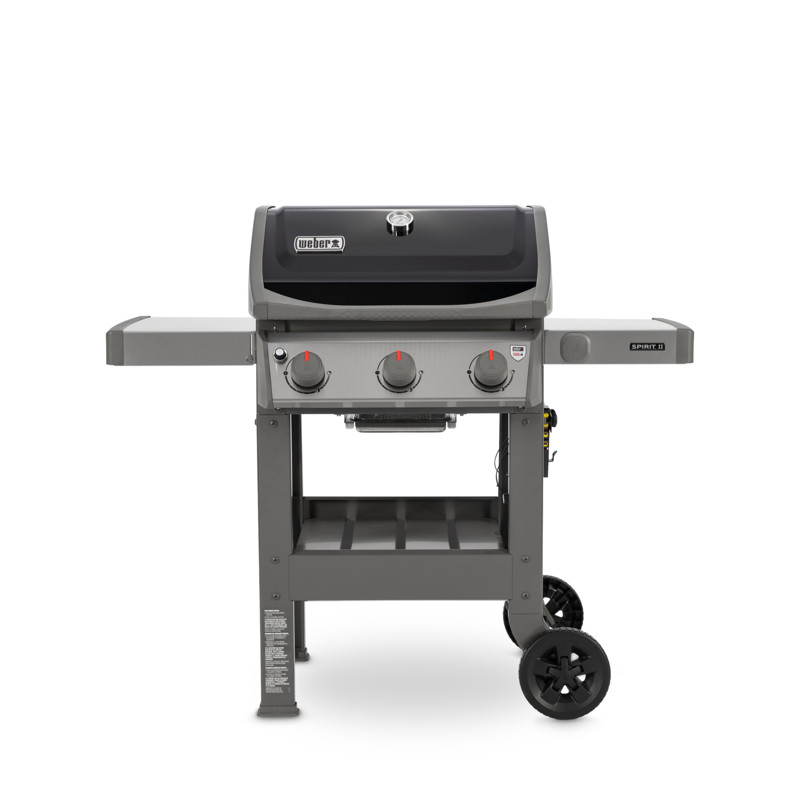
A good grill does not need drama to earn a spot on the patio. It needs steady heat, enough room for a Saturday cookout, and controls that do not make dinner feel like a repair job. That is why the E310 Gas Grill is getting another look from U.S. shoppers as restock chatter rises around Weber’s three-burner Spirit line. The appeal is simple: this is not a flashy backyard toy. It is the kind of grill people buy when they want burgers on Friday, chicken thighs on Sunday, and enough space to cook for guests without dragging half the kitchen outside. Weber’s current Spirit E-310 page lists three stainless steel burners, 24,000 BTU-per-hour input, and 450 square inches of total cooking area, which explains why buyers keep comparing it against cheaper grills that look similar from ten feet away. For readers tracking practical product news and consumer buying trends, this restock story is less about hype and more about timing, value, and choosing the right grill before peak backyard barbecue season tightens inventory again.
Why the E310 Gas Grill Keeps Winning Backyards
Most people do not shop for a grill the way grill nerds talk about grills. They do not start with burner math or grate coatings. They start with a plain question: can this thing cook for my family without turning every meal into a guessing game? That is where this Weber sits in a sweet spot. It is large enough for a real cookout, small enough for many suburban patios, and familiar enough that replacement parts, covers, and owner tips are not hard to find.
Three burners matter more than raw firepower
A three burner grill gives you something a two-burner model struggles to offer: control across zones. You can run one side hot for burgers, keep the middle moderate for vegetables, and leave the far side gentle for buns or already-cooked food. That sounds small until you are cooking for six people and someone wants chicken while someone else wants corn.
The counterintuitive part is that more flame does not always mean better food. A huge grill with poor heat control can dry out chicken faster than a smaller grill with steady zones. Buyers often chase high BTU numbers, but the better question is how evenly the heat behaves once the lid closes. Lowe’s product page for the Spirit II E-310 notes customer praise for heat distribution and fast temperature rise, along with a 10-year warranty on all parts.
That warranty matters because grills live hard lives in America. They sit through pollen, rain, heat waves, dust, and the occasional winter cover that blows halfway off. A Weber gas grill does not become valuable because it looks clean on day one. It earns value after three summers, when the igniter still works and the grates still feel worth cleaning.
The size fits more American patios than oversized grills
The American grill aisle loves big lids and extra knobs. That can trick people into buying more grill than they need. A massive model looks great in the store, then eats up a deck, crowds the patio door, and takes longer to clean after a quick weeknight meal.
This model lands in the middle. Consumer Reports lists the Spirit II E-310 as a midsize gas grill with three main burners, coated cast-iron grates, and a cooking area suited to roughly 18 to 28 burgers. That range fits how many households cook most often: not a block party, not a solo steak, but a family meal with room to spare.
A real example helps. A homeowner in Ohio with a 12-by-14-foot patio may want a grill, a small dining table, and space for kids to move around. A giant six-burner cabinet can turn that area into an obstacle course. A three-burner footprint lets the patio breathe. That is not less grill. It is better fit.
How Restocking Changes the Way Smart Buyers Shop
When a popular grill returns to shelves, the worst move is panic buying. The second-worst move is waiting so long that every decent package, delivery slot, or local pickup option disappears. Restocks reward prepared buyers, not rushed ones. You need to know your fuel type, space, price range, and must-have features before the buy button turns tempting.
Stock alerts beat casual browsing
Checking a retailer once a week is not a strategy during seasonal demand. Grills often move in waves: a shipment lands, local pickup opens, delivery windows fill, and then the listing looks thin again. That cycle gets tighter near Memorial Day, Father’s Day, July Fourth, and the first warm weekends after a cold spring.
A smarter buyer sets alerts at major retailers, checks the official Weber page, and compares local store pickup against delivery. Home Depot’s current Spirit E-310 listing shows the model as a three-burner liquid propane grill with Snap-Jet ignition, which reflects the newer Spirit naming and feature set buyers may see beside older Spirit II listings. That naming detail matters. A shopper who wants the older open-cart design should read the listing, not only the headline.
Here is the quiet trick: restocking does not always mean every version returns at once. Liquid propane may appear before natural gas. Black may appear before stainless-look finishes. Bundles with covers may differ from bare grill listings. Casual shoppers miss those details. Prepared shoppers use them.
Price is only half the deal
A lower sticker price can feel like victory, but grills come with hidden costs. Assembly, propane tank exchange, cover, brush, thermometer, delivery, and haul-away can change the real total. A $40 difference between retailers may vanish if one store includes free delivery and another adds a fee at checkout.
This is where outdoor grill buying tips can save money without pushing you into a lesser product. The best deal is not always the lowest number. It is the offer that gets the right grill to your home in good shape, with a clear return path if the box arrives damaged.
There is also a timing angle most buyers ignore. The best grill deal is often the one you can use for the full season. Saving $60 in late August does not help much if you missed twelve weekends of outdoor cooking. For many households, paying fair price during a real restock makes more sense than chasing the final clearance tag after summer energy has passed.
What to Check Before You Bring One Home
A grill can be the right model and still be the wrong buy for your home. The friction usually shows up after checkout: the box is larger than expected, the patio slope is awkward, the fuel line is wrong, or the owner realizes they bought more maintenance than they wanted. A little pre-check saves a lot of annoyance.
Match fuel, space, and cooking habits
Start with fuel. Liquid propane works for renters, movable patio setups, and homes without a gas hookup. Natural gas can be handy for homeowners who already have a safe outdoor line, but it locks the grill to one spot. Do not assume the two versions are interchangeable. They are not casual swap-outs.
Then measure space with the lid open, not only closed. Weber’s current Spirit E-310 specs list different dimensions depending on lid position, and that open-lid height and depth matter near railings, siding, and low overhangs. Leave room behind the grill, room for the cook to stand, and room to move food trays without balancing them on a chair.
Cooking habits matter too. If you cook weeknight dinners for four, this three burner grill makes sense. If you smoke brisket every weekend, you may want a dedicated smoker or a larger grill with stronger low-and-slow options. If you mostly cook hot dogs twice a year, a smaller model may be plenty.
Think through setup, cleaning, and safety
Assembly is part of the purchase. Some buyers enjoy it. Others open the box, see hardware bags, and regret not paying for assembly. There is no shame in choosing setup help if it means the grill gets built right and used sooner.
Cleaning also deserves attention. Cast-iron grates hold heat well, but they need regular care. Grease trays need checking. Burners need room to breathe. A neglected grill can turn small flare-ups into a ruined meal, especially when fatty burgers and marinated chicken hit the same hot zone.
Food safety belongs in this conversation because outdoor cooking can fool the eye. Grill marks do not prove meat is safe. The USDA tells home cooks to use a food thermometer and follow safe handling habits when grilling outdoors, especially with meat and poultry. For families who grill often, a good thermometer may be the cheapest upgrade on the whole patio.
Where It Fits Against Bigger and Cheaper Options
The grill market pulls buyers in two directions. Cheap models promise a low entry price. Premium models promise size, shine, and extra burners. This Weber sits between those lanes, which is why it keeps drawing interest when stock returns. It is not the cheapest choice, and that is part of the point.
Why a middle-size grill can cook better meals
A middle-size grill asks you to cook with intent. You cannot scatter food across a giant surface and forget about it. You learn hot spots, cooler edges, lid timing, and zone cooking. That makes you better over time.
This is where the backyard barbecue experience changes. Instead of burning the first round and babying the second, you start using the grill like an outdoor stovetop. Burgers go over direct heat. Chicken finishes away from flame. Corn rides the edge. Buns toast last. None of that requires chef-level skill. It requires a grill that responds in a steady way.
A Weber gas grill in this middle lane also tends to hold its place in the used market better than many no-name grills. That does not mean you should buy one only for resale. It means build reputation matters when neighbors, relatives, or Facebook Marketplace buyers know the brand.
When you should skip it and buy something else
This model is not for everyone. If you host twenty people every weekend, you may need a larger cooking surface. If you live in an apartment with strict flame rules, you may need an electric grill or no grill at all. If your budget is tight, a smaller two-burner model may be the better call.
The non-obvious insight is that buying too much grill can make you cook less. A large unit takes more space, more cleaning, and more mental effort for a simple dinner. People imagine themselves hosting huge cookouts, then mostly cook two steaks after work. Match the grill to the life you live, not the one shown in a summer catalog.
For shoppers still comparing models, three burner grill comparisons can help separate useful upgrades from expensive extras. Side burners, sear zones, smart probes, and storage cabinets all sound tempting. Some are useful. Some become expensive decoration.
Conclusion
Restocks create pressure, but pressure should not make the decision for you. A grill earns its place through fit, heat control, care, and the number of meals it makes easier. The E310 Gas Grill has become a repeat target for American shoppers because it sits in that practical middle: serious enough for frequent cooking, not so large that it takes over the yard. The smarter move is to check current listings, confirm the exact model, measure your patio, and compare the full delivered cost before you buy. Do that, and you avoid the two classic mistakes: overpaying in a rush or waiting until the season slips by. When the right restock appears, act with a plan, not panic.
Frequently Asked Questions
Is the Weber Spirit II model worth buying after a restock?
Yes, it makes sense for buyers who want a dependable mid-size grill with three burners, steady heat, and enough room for family meals. It is not the cheapest option, but its long-term value often comes from better parts support, brand familiarity, and stronger cooking control.
How many people can a three-burner Weber grill cook for?
Most families can cook for four to six people with ease, and larger groups are possible if food is cooked in rounds. The key advantage is zone control, so you can cook burgers, chicken, vegetables, and buns without putting everything over the same heat.
What should I check before buying from a restock?
Confirm fuel type, delivery cost, assembly options, warranty terms, and whether the listing is for the exact model you want. Also measure your patio with room for the lid open, side tables, propane access, and safe clearance from walls or railings.
Is propane or natural gas better for this kind of grill?
Propane is better for flexibility because you can move the grill and replace tanks as needed. Natural gas works well for homes with an existing outdoor line, but it limits placement. Choose based on your home setup, not only fuel price.
Why do Weber grills sell out near summer holidays?
Demand often rises before Memorial Day, Father’s Day, July Fourth, and warm-weather weekends. Shoppers start upgrading patios at the same time, and retailers may sell through popular models fast. Local availability can change faster than national product pages suggest.
Do I need professional assembly for a Weber Spirit grill?
Not always. Many buyers can assemble it at home with patience and basic tools, but paid assembly can be worth it if you dislike hardware, have limited time, or want fewer setup mistakes. A well-built grill is safer and easier to use.
What accessories should I buy first?
Start with a fitted cover, a quality grill brush or scraper, long tongs, a drip pan supply, and a food thermometer. Skip novelty tools at first. The thermometer matters most because outdoor heat can brown food before the inside reaches a safe temperature.
How can I make a gas grill last longer?
Keep it covered, clean the grates after cooking, empty grease trays, inspect burners, and avoid letting moisture sit inside. Deep clean before and after peak season. Small care habits prevent rust, flare-ups, and uneven heating from turning into bigger problems.