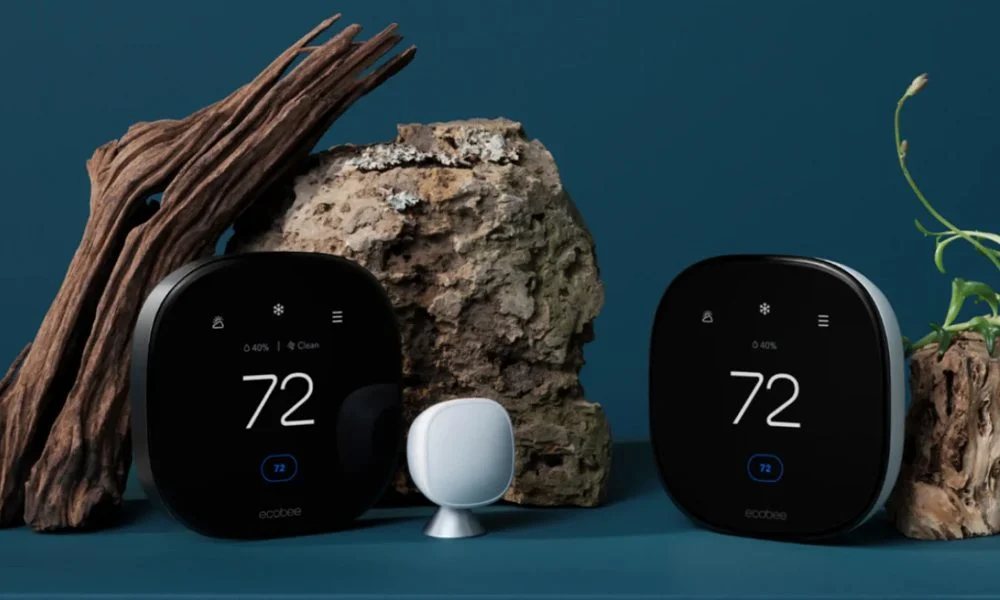
A thermostat sale does not matter until your house starts arguing with the weather. The Smart Thermostat Premium is getting attention this week because ecobee is listing it at $209.99 instead of its regular $259.99 price, and Best Buy is showing the same $50 discount. For many U.S. homeowners, that puts a higher-end climate control upgrade into “worth checking today” territory, not the usual “maybe during Black Friday” bucket. The point is not buying a screen for the wall. It is buying fewer thermostat battles, better room-by-room comfort, and a smarter way to face summer cooling bills. Readers who follow consumer deal trends and home tech updates already know the trick: the best deal is not always the lowest sticker price. It is the price that arrives when the product also fits your home, your wiring, your utility rebates, and your daily routine.
Why the Smart Thermostat Premium Deal Feels Different This Week
The first thing to understand is simple: this sale lands at the right time. A smart thermostat in January feels like a neat upgrade. A smart thermostat during the first serious heat waves of the year feels like a tool with a job. That difference matters because Americans rarely think about thermostat settings until the bill arrives.
The sale price is only part of the story
A $50 cut on a premium thermostat will grab attention, but the better question is what that $50 changes. At full price, many buyers compare this ecobee model against cheaper programmable thermostats and pause. At the current sale price, the gap narrows enough that features like the included room sensor, indoor air quality alerts, and built-in voice support start to carry more weight.
That is why the ecobee thermostat deal feels less like a random markdown and more like a timing play. A homeowner in Phoenix, Dallas, Atlanta, or Sacramento may not care about a smart screen in March. By late June, that same homeowner may care about upstairs bedrooms that stay warm while the hallway feels cold.
Here is the non-obvious part: the discount is not the main savings story. The real value often comes from avoiding bad comfort habits. People lower the whole house when one room feels hot. That is expensive. A room sensor can help the system respond to occupied spaces instead of guessing from one wall.
Why timing matters in American homes
Most U.S. homes were not built around perfect indoor comfort. Split-level homes, older ranch houses, townhomes, and houses with finished bonus rooms all have uneven temperatures. The thermostat sits in one place and acts as if that one place speaks for the entire house.
It does not.
A family in a two-story Ohio home might have the thermostat in the downstairs hall. At 4 p.m., the lower floor feels fine, but the west-facing upstairs bedroom turns stuffy. Without better sensing, the easy answer is to drop the setpoint. That cools the hallway first, wastes energy, and still may not fix the room where someone is trying to sleep.
This is where a smart home thermostat becomes more than a phone-controlled switch. It can help you think in patterns: where people gather, when rooms heat up, and when the house can relax. The discount matters because it lowers the cost of entering that smarter comfort loop.
What You Actually Get Beyond the Discount
A lower price can make any product look better for a day. The harder test is whether the product still makes sense after the sale banner disappears. Ecobee’s Premium model is built around comfort, sensing, and home awareness rather than bare scheduling alone. Ecobee says the device includes advanced radar sensors and air quality alerts, and its thermostat page says Premium includes Siri and Alexa built in, though Siri needs a compatible Apple home hub.
Room sensing changes the comfort math
The included SmartSensor is easy to overlook because it is small. That is a mistake. In many homes, the sensor is the feature that turns the product from “nice tech” into a daily comfort fix.
Think of a nursery, a home office over the garage, or a main bedroom that gets afternoon sun. A thermostat in the hallway cannot feel those spaces. A remote sensor gives the system another clue. It will not rebuild your ductwork, but it can help reduce the guesswork that causes people to overcool the entire house.
That is why this ecobee thermostat deal should be judged as a system, not a single device. You are not only buying a thermostat faceplate. You are buying a way to tell the HVAC system where comfort matters during different parts of the day.
Air quality alerts are useful when you read them right
The indoor air quality feature is another reason the Premium model stands apart from cheaper thermostats. It can give you a nudge when indoor air conditions deserve attention. That sounds simple, but it can change behavior.
Say you cook on a gas stove, run the oven, and keep windows closed because the outside air is hot. An alert may push you to turn on ventilation sooner. In wildfire-prone areas of California, Oregon, Colorado, and parts of the Mountain West, a homeowner may also pay closer attention to when outdoor air should stay outside.
Still, this is not a full replacement for dedicated indoor air testing. That is the counterintuitive truth. A thermostat-based air quality feature is best seen as a warning light, not a lab report. Useful? Yes. Magic? No.
For readers comparing broader upgrades, pair this kind of device with smart home upgrade ideas that focus on actual daily use instead of buying every connected gadget at once.
Who Should Buy It Before Summer Bills Bite
The best buyer is not the person who loves tech. The best buyer is the person whose house has a comfort problem that shows up every week. That could be a hot second floor, an empty house during work hours, a living room that runs cold, or a family that keeps changing the temperature by hand.
The best fit is a house with messy temperatures
A strong fit looks like this: a homeowner with central HVAC, Wi-Fi, a compatible wiring setup, and at least one room that never feels right. Add a predictable work schedule or school schedule, and the case gets stronger. The thermostat can help the house stop cooling or heating as if every hour is the same.
A smart home thermostat also makes sense for people who travel. You can check settings from your phone, adjust before coming home, and avoid leaving the system working hard for an empty house. That convenience has a money side, but it also has a comfort side. No one enjoys returning from a July weekend trip to a house that feels like a parked car.
The surprising insight is that the best buyer may not be the most tech-savvy person in the home. It may be the person tired of touching the thermostat five times a day. Automation has the most value when it removes a small, repeated annoyance.
Renters and simple apartments should slow down
Some buyers should pause. If you rent, you need permission before replacing a thermostat. If your apartment has simple heating or cooling controls, compatibility may be limited. If your utility bill is already low, the payback may take longer.
A basic programmable thermostat can also be enough for someone with a small home, steady schedule, and even temperatures. Not every house needs a premium device. Spending more because a product is on sale is still spending more.
That does not make the sale weak. It makes the decision more honest. A good energy saving thermostat should match the home first and the discount second. When the order flips, buyers end up with features they never use.
How to Check Compatibility, Rebates, and Real Value
Before buying, do three checks: wiring, rebates, and return policy. These are not exciting steps, but they save headaches. A thermostat deal can sour fast if the device does not fit your HVAC setup or needs installation help you did not expect.
Check the C-wire before you chase the deal
Many smart thermostats need steady power. That often means a C-wire, though some setups can work with adapters or alternative wiring. The right move is to remove your current thermostat faceplate, take a clear photo of the wiring, and use the brand’s compatibility checker before ordering.
Do not skip this part.
A homeowner in an older New England house may find a two-wire heat-only setup behind the wall. A buyer in a newer Texas subdivision may have a full set of labeled wires. Those two installs are not the same project, even if the product page looks the same.
This is also where professional help can make sense. Paying an HVAC tech may feel annoying after finding a sale, but it can be cheaper than miswiring a system. A smart thermostat is still tied to expensive equipment.
Rebates can beat the sticker price
Utility rebates can change the math. ENERGY STAR says certified smart thermostats are independently certified to deliver energy savings, and its guidance says average savings are about 8% of heating and cooling bills, or around $50 per year. Ecobee also says its models can save up to 26% on annual heating and cooling costs, though actual results depend on the home and how the system is used.
That means a rebate can matter as much as the sale. Some utility marketplaces offer instant discounts for eligible customers. Others require a claim after purchase. Either way, a buyer in Illinois, Massachusetts, Arizona, or New York may see a different final cost than someone in another state.
Use the ENERGY STAR smart thermostat guidance as a plain starting point, then check your local utility site. After that, compare the final price with summer energy saving tips that cost little or nothing, such as sealing air leaks, changing filters, and adjusting schedules.
The best move is not chasing a headline. It is stacking the sale, rebate, compatibility, and daily comfort into one decision.
Conclusion
A lower price can make a product louder, but it cannot make it right for every home. This deal deserves attention because the Premium model solves real comfort problems that many American households feel during summer: uneven rooms, changing schedules, and cooling systems that run harder than they should. The Smart Thermostat Premium makes the most sense when you have central HVAC, compatible wiring, and a home where one thermostat location cannot tell the full story. The sale price helps, but the smarter win comes from using the device well after installation. Set schedules. Place the sensor where comfort matters. Check rebates before buying. Treat air quality alerts as prompts, not perfection. If those pieces line up, this is the kind of home upgrade that can feel useful long after the deal page disappears. Buy it because it fits your house, not because the countdown clock is loud.
Frequently Asked Questions
How much is the ecobee Premium thermostat this week?
The current sale price shown by ecobee and Best Buy is $209.99, down from the regular $259.99 price. Prices can change by retailer and location, so check the final cart price before ordering.
Is the ecobee Premium model worth buying on sale?
Yes, for homes with uneven temperatures, central HVAC, Wi-Fi, and a need for room sensing. It is less compelling for small apartments, low energy bills, or homes where a basic programmable thermostat already handles the schedule well.
Does the ecobee Premium thermostat help lower energy bills?
It can help when used properly. ENERGY STAR says certified smart thermostats save about 8% on heating and cooling bills on average, though results depend on climate, home habits, and HVAC equipment.
What makes this ecobee model different from cheaper thermostats?
The Premium model adds features such as an included room sensor, indoor air quality alerts, radar-based occupancy sensing, and built-in voice assistant support. Those extras matter most in homes where comfort changes from room to room.
Do I need a C-wire for this thermostat?
Many smart thermostat installs need steady power, often through a C-wire. Check your current thermostat wiring before buying. A clear wiring photo and the brand’s compatibility checker can save you from ordering the wrong device.
Can renters install an ecobee thermostat?
Renters should ask the landlord first. Thermostat wiring connects to the HVAC system, so swapping it without permission can create lease problems. Some rentals also use HVAC setups that are not compatible with common smart thermostats.
Where should I place the included room sensor?
Place it in a room where comfort matters and temperature swings are common, such as a bedroom, nursery, home office, or upstairs living space. Avoid direct sunlight, vents, windows, and electronics that throw off heat.
Should I buy now or wait for a bigger holiday sale?
Buy now if the current price, compatibility, and rebate options work for your home. Waiting can make sense if your HVAC setup is uncertain or you want to compare Prime Day, Labor Day, or Black Friday pricing.