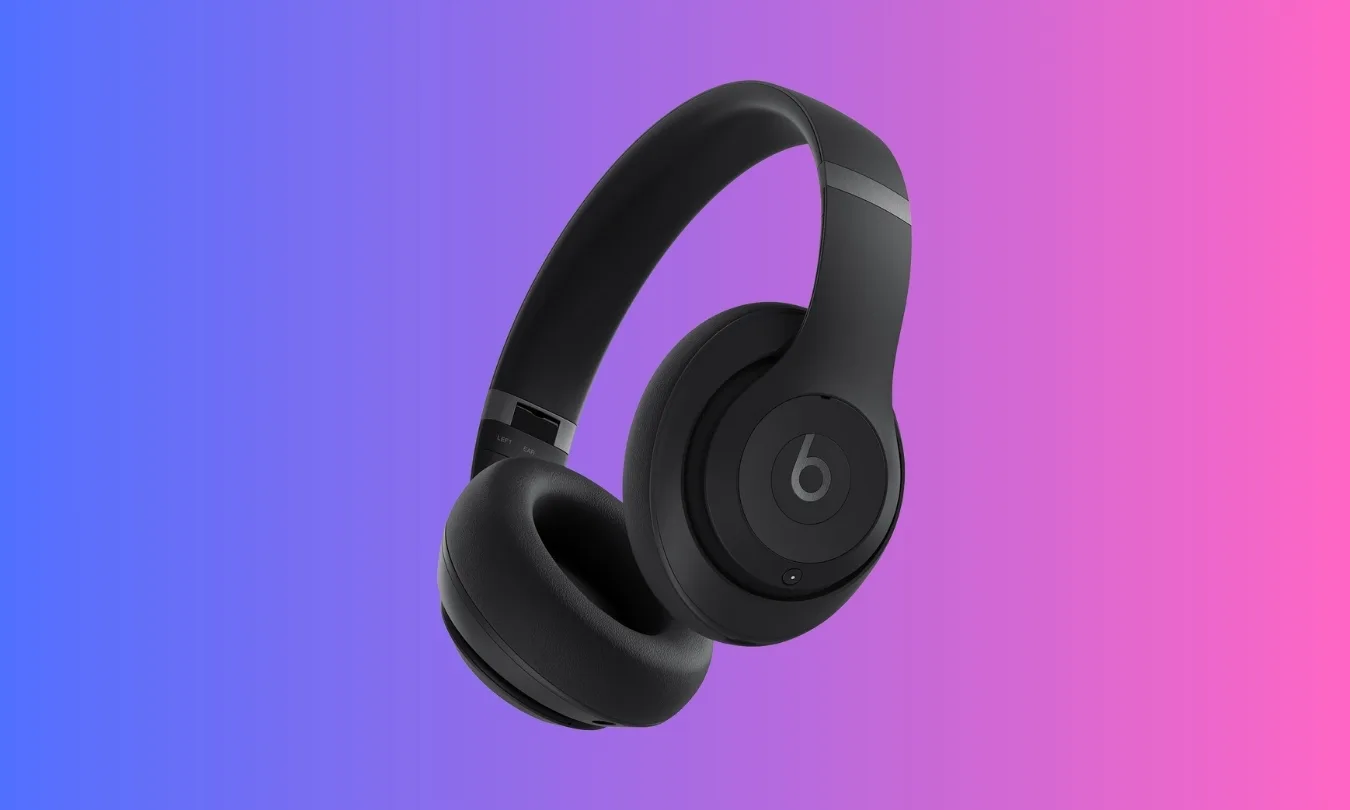
A serious headphone discount has a way of changing the whole buying conversation. The Beats Studio Pro price drop matters because it pushes a premium Apple-owned over-ear set into the range where casual shoppers, commuters, college students, and work-from-home buyers may start comparing it against mid-tier picks instead of luxury models. Recent U.S. deal coverage has put the sale under $150, with reports calling it the lowest recorded price to date, while Beats lists core features such as active noise cancellation, Transparency mode, up to 40 hours of listening time, USB-C lossless audio support, and Apple plus Android compatibility. For readers tracking a wireless headphones deal, that mix is the draw: you are not buying a no-name bargain bin headset. You are looking at a mainstream pair with travel-ready noise control, physical buttons, wired options, and enough battery life for long weeks. For more consumer tech and retail updates, timely product news coverage can help shoppers read past the sale tag and judge whether a drop fits real life.
Why This Price Drop Feels Different
Most headphone sales are noise. A retailer trims twenty dollars, adds a countdown clock, and waits for shoppers to panic. This one feels different because the price crosses a mental line. Under $150, premium-looking over-ear headphones stop feeling like a splurge and start feeling like a planned upgrade for daily use.
The discount changes the comparison set
At the usual higher price, many shoppers compare these Beats against Sony, Bose, Apple AirPods Max, and other top shelf noise cancelling headphones. That is a harder fight. Some buyers want the strongest cabin noise control. Some want the softest ear cups. Some want the widest app controls.
Drop the price low enough, though, and the comparison shifts. Now the question becomes whether a person should buy a familiar branded over-ear set or settle for a cheaper pair with fewer extras. That is where this deal gains power. A student in Austin, a remote worker in Denver, or a commuter in New Jersey may not need the absolute best headset on the market. They need something that feels worth wearing every day.
The non-obvious part is that a lower price can make flaws easier to accept. A tight clamping feel, a missing feature, or a sound profile you might question at full price can feel far less annoying when the savings are large. Value is not only about what the headphones do. It is about what you forgive.
The timing fits how Americans actually shop
Late June is a strange but useful moment for headphone buying. Summer travel is active. Back-to-school planning is close. Remote workers are tired of bad laptop audio. Parents are starting to think about dorm gear before prices climb again.
That gives this wireless headphones deal a wider audience than a winter sale. It is not only for tech fans watching every Amazon discount. It fits people booking flights, packing for college, replacing a worn headset, or setting up a cleaner desk before fall.
A concrete example helps. Someone flying from Chicago to Phoenix does not need studio-grade gear to survive the trip. They need over-ear headphones that cut engine rumble, last through delays, fold into a bag, and switch to a wired connection when needed. Beats says this model supports ANC, Transparency mode, Bluetooth listening, USB-C audio, and a 3.5mm audio cable option, which covers more travel situations than many casual shoppers expect.
That practical spread is the real story. The discount gets attention, but the everyday fit keeps the deal from feeling empty.
Beats Studio Pro Deal for Everyday Buyers
A sale only matters if the product still fits the buyer after the receipt prints. That is the part many deal posts skip. A low price can push people into gear they do not need, especially with audio. The smarter move is to ask where these headphones make life easier and where another pair may serve you better.
Commuters and travelers get the clearest win
The strongest case is daily movement. Trains, buses, rideshares, airports, shared apartments, and office corners all punish cheap headphones. Not always with bad sound. Often with small irritations: weak mics, short battery, poor comfort, clumsy controls, or no way to hear announcements without pulling one ear cup off.
These Beats solve several of those problems in a simple way. ANC can lower steady background sound. Transparency mode lets outside sound back in when you need it. Apple’s support page also notes that the headset can use lossless audio through its built-in digital-to-analog converter when connected by USB-C to a supported source. That matters more at a desk than on a subway, but it gives the headphones a second life beyond Bluetooth.
The honest caveat: over-ear headphones are not small. If you carry a tiny sling bag, earbuds may still win. If you wear thick glasses, any full-size headset can press near the temples after a while. Price does not erase fit. It only makes the risk easier to take.
Remote work buyers should think beyond music
Many shoppers buy headphones for playlists, then judge them by calls. That is backward for work-from-home life. If you spend three hours a day in meetings, microphone handling and comfort may matter more than bass.
The deal makes sense for remote workers who want one pair for calls, focus time, and evening streaming. Beats promotes improved voice performance, built-in microphones, and noise control for meeting use on its product pages. That does not mean it replaces a dedicated office headset with a boom mic. It means it can cover the middle ground well enough for many people.
Here is the counterintuitive point: the best work headphone is not always the one with the most “pro” features. It is the one you remember to charge, understand without opening a manual, and keep within reach. Physical controls help there. So does long battery life. Apple says the headphones can reach up to 24 hours with ANC or Transparency mode on, and up to 40 hours with those modes off; a 10-minute charge can add up to 4 hours of playback.
That is enough margin for messy workdays. The battery is less about bragging and more about not failing during a 4 p.m. call.
Sound, Comfort, and Features That Matter
Price brings people to the page. Sound and fit decide whether the box stays open. These headphones sit in a tricky space because Beats carries old expectations. Some listeners still think of heavy bass from earlier models. Others see Apple ownership and expect cleaner tuning, better device pairing, and a more polished daily feel.
The sound is built for modern mixed use
Most U.S. buyers do not listen in one neat category. A morning podcast turns into a Zoom call, then a gym playlist, then a Netflix episode, then a late-night album. A headphone that only shines with one type of audio can become annoying fast.
This model aims at that mixed routine. Beats describes a custom acoustic platform, personalized spatial audio with dynamic head tracking, and lossless listening through USB-C. Those features matter in different ways. Spatial audio is useful for movies and supported content. USB-C wired listening helps when you want cleaner playback from a laptop or compatible device. Bluetooth is still the daily mode for most people.
The non-obvious insight is that sound quality on a sale pair should be judged by use pattern, not by audiophile pride. If you want open-back detail for quiet rooms, this is not the right lane. If you want lively over-ear headphones for travel, work, phone use, and streaming, the feature set makes more sense.
That is why the discount has reach. It does not need to beat every specialist pair. It needs to be good enough in enough places.
Comfort is personal, not a spec-sheet promise
Comfort gets marketed as if every head is the same. It is not. Ear size, hair, glasses, jaw shape, and how hot your room gets can all change the experience. Plush cushions help, but they do not guarantee all-day comfort.
Beats says the headphones use UltraPlush over-ear cushions and an adjustable headband for longer listening sessions. That is useful, yet buyers should still treat comfort as a personal test. Wear them while doing normal things. Wash dishes. Sit through a meeting. Take a walk. Notice pressure points after 45 minutes, not after five.
A practical example: a college student using noise cancelling headphones in a shared dorm may care less about perfect sound and more about whether the ear cups get warm during a two-hour study block. A frequent flyer may care more about foldability and cabin quiet. A parent may care about whether the headset survives being tossed into a backpack.
Comfort is not one question. It is several small ones.
That is where the sale helps, but it should not rush the decision. Keep the return window in mind. Test the fit early. Do not let the discount clock make the choice for your ears.
How to Decide Before the Sale Ends
The worst way to shop a headphone deal is to stare at the percentage off. Retail math can make almost anything look tempting. A better method is to ask what problem the product must solve by next week. If the answer is clear, the decision gets easier.
Buy for your main use, not the biggest feature list
Start with your top use case. Travel, office calls, studying, workouts, gaming, or casual music all push the decision in different directions. Full-size over-ear headphones are strong for focus and comfort, but they are not always ideal for sweat-heavy workouts or pocket carry.
A buyer in Los Angeles who needs quiet for apartment work may get more from ANC than from lossless audio. A New York commuter may care about quick switching and Transparency mode. A gamer may need to check latency and platform fit. A student may want battery life and durability more than any sound feature.
This is where headphone buying guides and consumer electronics deal tips can help once you add your site’s own links. The goal is not to chase every spec. The goal is to match the gear to the habit.
The non-obvious move is to ignore one or two features on purpose. If you never plug headphones into a laptop by USB-C, lossless support should not lead your choice. If you rarely fly, top-tier ANC may matter less than comfort. A smarter buyer ranks needs before reading the sale page.
Watch the retailer details before checkout
A low sale price can hide small differences. Color availability, return window, shipping speed, warranty handling, and whether the seller is authorized all matter. For branded tech, those details protect you after the excitement fades.
Check the final cart price, not only the product page. Some deals require membership. Some colors cost more. Some listings mix older and newer products in confusing ways. A careful buyer takes one extra minute here.
That minute can save a headache.
Also confirm what is inside the box. Beats lists the headphones with a carrying case, USB-C charging and audio cable, 3.5mm analog audio cable, quick start guide, and warranty card on its product page. For travel buyers, those cables are not small extras. They decide whether the headset works with an airplane screen, a laptop, or a wired source when Bluetooth is not the best choice.
A wireless headphones deal should still feel clean after checkout. If the listing looks strange, the seller feels unclear, or the return terms are buried, pass and wait. Another sale always comes. A bad purchase follows you longer.
Conclusion
The best tech discounts do not ask you to invent a need. They meet one you already have. That is why this drop stands out. It takes a well-known pair of over-ear headphones and moves it into a price zone where more Americans can treat it as a daily tool instead of a luxury want.
The Beats Studio Pro offer makes the most sense for commuters, travelers, students, remote workers, and anyone who wants one pair to cover music, calls, movies, and focus time. It is not the perfect pick for every listener. No headphone is. Fit still matters, and smaller earbuds may suit people who hate bulky gear.
Still, the value case is strong when the sale price lands under the usual premium range. You get noise control, long battery life, wired flexibility, and broad device support in a package many shoppers already recognize. The smart move is simple: judge the deal by your next month of real use, not by the discount badge. Buy it only if it solves a daily problem.
Frequently Asked Questions
How much are the Beats headphones during the latest sale?
Recent U.S. deal reporting placed the sale under $150, though live pricing can change by retailer, color, and membership status. Always check the final cart before buying because some promotions end fast or apply only to select finishes.
Is this wireless headphones deal worth it for commuters?
Yes, if you want over-ear comfort, active noise control, and long battery life for trains, buses, flights, or shared workspaces. Earbuds are easier to carry, but full-size headphones often feel better during longer listening sessions.
Are these noise cancelling headphones good for travel?
They make sense for travel because they offer ANC, Transparency mode, long battery life, foldable storage, and wired listening options. That mix helps on flights, in terminals, and in hotel rooms where background sound can wear you down.
Do the headphones work well with Android phones?
Yes, Beats markets this model with Apple and Android compatibility. Apple users may get some familiar pairing perks, but Android buyers are not locked out of the main listening, calling, and noise control features.
Can I use them for work calls and video meetings?
Yes, they can handle work calls, video meetings, and focus sessions. A dedicated boom-mic headset may still sound clearer in loud rooms, but these are a better all-purpose choice for people who also want music and travel use.
What is the battery life with noise cancellation turned on?
Apple says playback can reach up to 24 hours with ANC or Transparency mode turned on, and up to 40 hours with those modes off. A short 10-minute charge can add up to 4 hours of playback.
Are over-ear headphones better than earbuds for studying?
Often, yes. Over-ear headphones can feel more settled during long study blocks and may reduce outside noise without pressing inside the ear canal. Earbuds still win for pocket carry, gym use, and people who dislike headband pressure.
What should I check before buying from a sale listing?
Check the seller, return window, color price, warranty terms, shipping date, and what accessories come in the box. Also confirm the final checkout total because some headphone deals require a membership or apply only to certain models.