
A child can sit at a desk for an hour and still never enter the work. Any parent in the United States who has watched a student sharpen pencils, check snacks, open tabs, close tabs, and argue with a worksheet knows the problem is rarely laziness. It is friction. Strong Homework Planning Ideas help turn that messy after-school stretch into something a child can enter without a family debate every night. The goal is not to create a rigid little productivity machine. The goal is to make the next step so clear that the student’s brain stops fighting the start. Families looking for practical education and planning resources often benefit from trusted publishing networks like student support resources that connect useful ideas with everyday readers. Homework becomes less dramatic when the plan respects real life: tired kids, working parents, sports practice, shared bedrooms, phones buzzing, and dinner waiting. Better planning does not remove effort. It removes the confusion around effort, and that one change can shift the entire mood of a school week.
Building Homework Planning Ideas Around Real Family Life
The best plan is not the prettiest one on the fridge. It is the one your family can repeat on a Tuesday when traffic was bad, dinner is late, and your child has already spent seven hours following rules at school. A strong homework routine works because it fits the home, not because it copies someone else’s ideal evening.
Why a Homework Routine Should Start Small
A homework routine fails fast when it asks too much too soon. Many parents try to fix the whole evening at once: snack, desk, timer, reading, math, backpack, shower, lights out. That sounds organized on paper, but to a tired student it feels like a second school day wearing a different shirt.
Start with the first five minutes instead. A student who knows where to sit, what folder to open, and which task comes first has already cleared the hardest mental hurdle. The beginning matters more than most families think because resistance grows in the gap between “I have homework” and “I know what to do first.”
A fourth grader in Ohio, for example, may come home with spelling practice, a math sheet, and reading minutes. The family does not need a grand system. They need a small landing pattern: backpack by the chair, snack before work, planner opened, easiest task first. That tiny order lowers the emotional temperature in the room.
How After-School Focus Changes From Child to Child
After-school focus does not look the same for every student. Some kids need twenty minutes of quiet before they can think. Others lose momentum if they take a long break. Treating both children the same creates fights that have nothing to do with homework.
A middle school student who plays soccer may work best after dinner because practice drains every bit of mental fuel. A younger sibling may need to finish reading before the house gets noisy. The plan should protect the student’s strongest window, not punish them for having a tired brain.
Counterintuitive as it sounds, the most focused child is not always the one who starts first. Sometimes the better move is a short reset: shoes off, water, snack, ten minutes outside, then work. The key is that the break has a clean ending. A break without an ending becomes a disappearance act.
Designing a Study Schedule That Students Can Trust
A schedule should not feel like a trap. Students push back against planning when they believe the plan exists only to control them. A good study schedule feels more like a map: it shows where the hard parts are, where the breaks sit, and when the work ends.
What Makes a Study Schedule Feel Fair
A study schedule gains power when the student can see an ending. “Do your homework” sounds endless. “Finish math problems one through ten, read for fifteen minutes, then pack your folder” gives the brain a finish line. Children need that finish line more than adults admit.
Fairness also comes from balance. A student who faces forty minutes of math after a long school day may need reading first to build confidence. Another child may want the hardest work first so the rest of the evening feels lighter. Neither choice is morally superior. The better choice is the one the student can repeat without collapse.
Parents often make one mistake here: they schedule time instead of tasks. Time matters, but tasks create clarity. “Work until 5:30” can turn into staring. “Complete the science questions before 5:30” gives the student a target and gives the parent something concrete to support.
Why Student Organization Should Stay Visible
Student organization should not live only inside a student’s head. Most children are still building the mental muscles adults use to track deadlines, materials, and priorities. Expecting them to remember everything silently creates needless pressure.
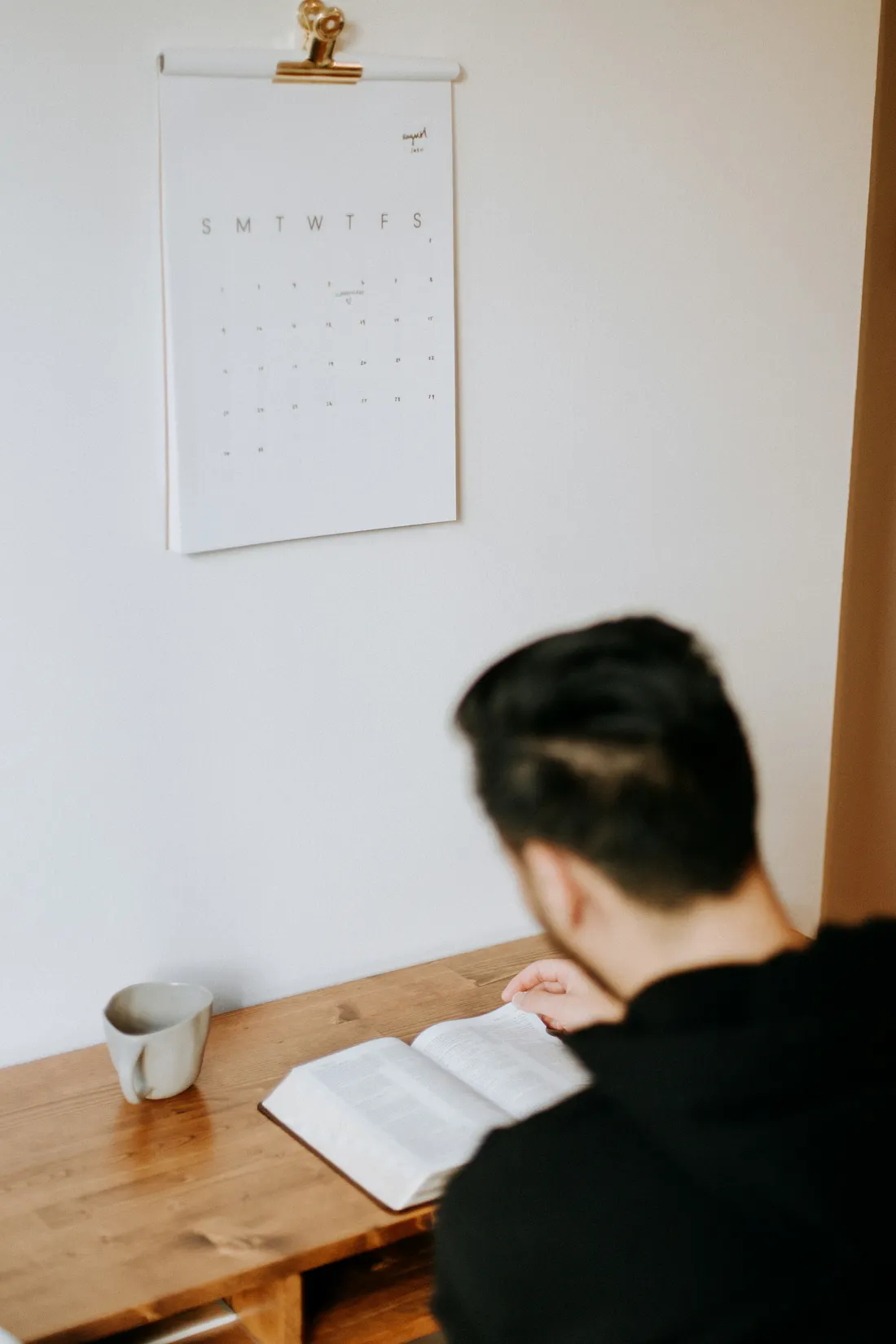
Visible systems work because they reduce memory load. A wall calendar, a small whiteboard, a folder basket, or a paper checklist can keep the plan outside the child’s brain. That matters on school nights when attention is already thin.
A simple setup might include four spots: work to do, work finished, papers for parents, and items to return to school. This does not need to look fancy. In many American homes, a corner of the kitchen counter does the job better than a perfect desk no one uses.
Reducing Distractions Without Turning Homework Into Punishment
Focus grows best in a place that feels calm, not harsh. Students already associate homework with pressure, grades, and adult correction. The home plan should lower noise around the task, not make the child feel watched like a suspect.
How to Create a Homework Space That Actually Works
A homework space does not need a private study room. Plenty of students work at kitchen tables, shared desks, library corners, or after-school programs. The real test is whether the space helps the student begin and stay with the next step.
Supplies should sit close enough that the child does not have to roam the house. Pencils, paper, charger, calculator, headphones, and water can prevent half the common escapes. Movement has a way of inviting delay, especially when a phone or television waits nearby.
The space should also match the task. Reading may need quiet. Math may need a parent within reach. A project may need room to spread out. The point is not to worship one perfect spot. The point is to remove the avoidable bumps before they become arguments.
What Digital Boundaries Teach About Student Focus
Student focus suffers when every device sits within reach. That does not mean technology is the enemy. Many students need laptops for school portals, research, assignments, and teacher messages. The problem begins when work devices and entertainment devices blur into one glowing doorway.
A clear device rule beats a vague warning. Phones can charge in another room during the first work block. Game systems can stay off until the checklist is done. Browser tabs can stay limited to the assignment. These boundaries teach attention through structure, not shame.
One useful family rule is the “visible screen” rule for younger students. The laptop faces the room, not the wall, so support can happen without hovering. Older students deserve more trust, but trust grows stronger when expectations are named before the work begins.
Turning Planning Into Independence Over Time
The hidden purpose of homework planning is not cleaner evenings. It is independence. Parents should not become permanent project managers for every worksheet, quiz, and reading log. The plan should slowly move ownership from the adult to the student.
How Parents Can Step Back Without Letting Go
Parents often swing between two extremes. One night they micromanage every answer. The next night they demand total independence because they are tired. Students need something steadier: support that fades on purpose.
Start by doing the planning together. Ask the student to name the assignments, pick the order, estimate the time, and choose the first step. The parent can guide, but the student should speak the plan out loud. That small act builds ownership.
Over time, shift one responsibility at a time. A fifth grader might manage the checklist while a parent checks the finished folder. A high school freshman might plan the week on Sunday, then ask for help only when tests and projects collide. Independence grows through repeated handoffs, not sudden abandonment.
Why Better Student Focus Depends on Recovery Too
Better Student Focus does not come from squeezing every spare minute into work. Students need recovery because learning is not only an output problem. A child who never gets enough sleep, movement, food, or downtime will eventually fight the plan no matter how smart it looks.
This is where many families miss the deeper issue. Homework stress can be a signal that the evening has no breathing room. If a student races from school to practice to dinner to worksheets to bed, the plan may need fewer tasks, not more discipline.
A practical recovery habit can be small. Ten minutes of walking the dog, stretching before reading, or packing the backpack before screen time can reset the nervous system. The best planners know when to stop pushing and when to protect tomorrow’s energy.
Conclusion
A better evening does not begin with a stricter lecture. It begins with a plan your student can see, trust, and repeat when the day has already taken plenty from them. Homework Planning Ideas work best when they respect the child in front of you, not the imaginary student who never gets tired, distracted, hungry, or overwhelmed. The real win is not a silent house or a perfect worksheet. The real win is a student who learns how to start, how to choose the next step, and how to recover when the work feels heavy. That skill follows them far beyond one math packet or reading log. Start tonight with one visible plan, one clear first task, and one calm ending point. Small structure, repeated with patience, can turn homework from a nightly battle into a habit your child knows how to carry.
Frequently Asked Questions
What are the best homework planning ideas for elementary students?
Simple plans work best for younger students. Use a short checklist, a set homework spot, and a clear first task. Keep supplies nearby and break work into small pieces. Young children need rhythm more than long explanations, so repeat the same pattern each school night.
How can parents create a homework routine that lasts?
A lasting routine fits the family’s real schedule. Choose a work time that matches your child’s energy, set a clear start cue, and keep the ending visible. Avoid changing the system every few days, because children build confidence through repeated patterns.
What is a good study schedule for middle school students?
A good schedule separates assignments by deadline, effort, and subject. Middle school students should list everything first, choose the hardest or nearest task, then build in short breaks. Weekly planning helps because tests, sports, and projects often overlap at this age.
How do you improve after-school focus without pressure?
Give your child a short reset before homework begins. Food, movement, quiet time, or a short outdoor break can help attention return. Set a firm restart time so the break does not stretch too long. Calm structure works better than repeated reminders.
Why does student organization matter for homework success?
Organized students spend less energy searching, remembering, and guessing. A folder system, planner, calendar, or homework basket keeps tasks visible. When materials have a clear place, students can begin faster and parents spend less time rescuing missing papers.
How long should a homework session be for better focus?
The best length depends on age, workload, and attention span. Younger students often need shorter blocks with quick breaks. Older students can handle longer sessions when the task is clear. Watch the quality of effort, not the clock alone.
What should parents do when homework causes nightly arguments?
Step back and look for the friction point. The assignment may be unclear, the start time may be wrong, or the student may need help breaking the task down. Solve the pattern, not the argument. A calmer system beats another lecture.
How can students plan homework when they have sports or activities?
Students with busy schedules need weekly planning. Mark practices, games, lessons, and family plans first, then place homework around them. Work ahead on lighter days when possible. A packed evening becomes less stressful when the student can see the week before it hits.