

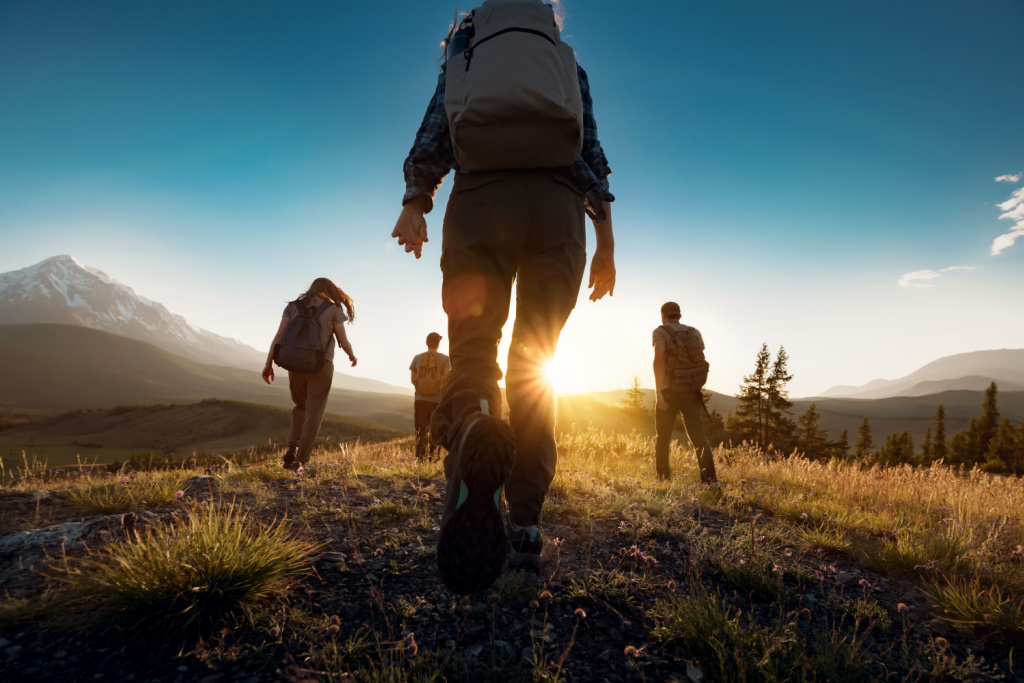
A mountain trip can turn from calm to chaotic faster than most people expect. Blue sky at the trailhead can become cold wind, slick rock, and a confused group arguing over which ridge leads back to the car. That is why mountain travel tips matter long before your boots touch dirt. Across the USA, from the Rockies to the Appalachians, outdoor trips reward people who prepare with respect instead of ego. Safe travel does not mean stripping adventure of its spark. It means knowing where the real risks hide, so the trip still feels wild without becoming careless. For travelers planning routes, gear, or local outdoor stories, trusted travel resources and regional travel visibility can help connect practical advice with the right American audience. Mountains do not care how excited you are, how fit you feel, or how good the forecast looked at breakfast. They respond to preparation, patience, and honest judgment. The smartest adventurer is not the one who goes farthest. It is the one who comes back ready to go again.
Mountain Travel Tips Begin Before the Trailhead
A safer mountain trip starts at home, not at the parking lot. Many bad outdoor decisions happen because the traveler already made one quiet mistake before leaving: assuming the plan would stay simple. In places like Colorado’s Maroon Bells, North Carolina’s Blue Ridge Parkway, or Washington’s Mount Rainier region, small gaps in planning can grow once cell service drops and weather shifts. Good preparation gives you room to adapt without panic.
Safer hiking routes depend on honest distance choices
A trail map can make six miles look harmless. The mountain does not read that map the same way your eyes do. Elevation gain, loose footing, sun exposure, and return time matter more than distance alone, especially for families, first-time hikers, or visitors arriving from lower elevations.
A smart route fits the slowest person in the group. That sounds less exciting than chasing the highest overlook, but it saves trips from turning tense. A tired child, a friend with sore knees, or a visitor not used to altitude changes the pace for everyone. Ignoring that truth creates the kind of pressure that leads people to rush downhill, skip breaks, or make poor trail choices.
American mountain destinations often offer layered route options for a reason. A shorter overlook trail in Shenandoah may deliver a better day than forcing a long ridge walk in heat. A lower alpine lake in Utah may be wiser than a summit push during thunderstorm season. The best plan does not prove toughness. It protects the experience.
Outdoor adventure safety starts with a written backup plan
A backup plan feels boring until it becomes the reason someone finds you. Before leaving, tell one reliable person where you are going, where you plan to park, which trail you expect to use, and when you should return. A vague “we’re hiking near the mountains” does not help much when search teams need details.
Printed maps still deserve a place in your pack. Phones fail for plain reasons: dead batteries, cold temperatures, cracked screens, weak signals, and apps that stop loading at the worst moment. A paper map and a small compass weigh little, yet they give you a way to think clearly when digital comfort disappears.
A good backup plan also includes a turnaround time. Pick the time before you start, not while standing near the summit with tired legs and fading daylight. This one rule protects people from the most tempting lie in the mountains: “We’re almost there.” Sometimes almost there is still too far.
Weather, Elevation, and Timing Shape the Real Risk
Planning gets you moving, but conditions decide whether the day remains safe. Mountain weather has a rude habit of ignoring lowland expectations. A sunny morning in the Sierra Nevada can still bring afternoon lightning, and a warm valley in New England can hide cold wind on exposed ridges. Timing is not a small detail. It is part of the safety system.
Mountain weather safety requires more than checking one app
A single forecast can mislead you because mountains create their own local conditions. Check the forecast for the nearest town, then check higher-elevation reports, park service alerts, and trail updates when available. The difference between valley weather and ridge weather can feel like stepping into another season.
Cloud shape, wind speed, and sudden temperature drops deserve attention once you are outside. Dark building clouds over a ridge should change your plan faster than any app notification. Lightning on exposed rock is not a dramatic movie problem. It is a real mountain hazard, especially in parts of Colorado, Wyoming, Montana, and New Mexico during summer afternoons.
Counterintuitive as it sounds, the prettiest weather can create risky behavior. People move slower because they take more photos, linger at overlooks, and forget the return trip. Clear skies invite delay. A disciplined traveler enjoys the view without letting the view steal the clock.
High elevation travel rewards slow pacing
Altitude does not care how strong you are at sea level. Visitors flying into Denver, Salt Lake City, Albuquerque, or Reno may feel fine in town and then struggle higher up. Headache, nausea, dizziness, unusual fatigue, and poor sleep can appear even on trips that do not involve technical climbing.
A slower first day helps more than pride admits. Drink water, eat real food, limit alcohol before strenuous activity, and give your body time to adjust. People often blame “being out of shape” when the real issue is elevation. That mistake pushes them to work harder when they should back off.
Mountain travel tips also apply to driving days. High passes, winding roads, and changing temperatures can wear people down before the hike begins. A traveler who wakes before sunrise, drives three hours, hikes hard, and then faces a dark mountain road has stacked the day against clear judgment. Safety is not one choice. It is the total of every choice.
Gear Should Solve Problems, Not Impress Anyone
Gear matters, but not in the way many travelers think. Expensive equipment cannot rescue a bad plan, and a packed bag full of unused gadgets can slow you down. The right gear earns its place by answering one question: what problem will this solve when conditions turn against me?
Best mountain packing list for changing conditions
A mountain pack should prepare you for cold, wet, hunger, injury, navigation trouble, and delay. That does not mean carrying your entire garage. It means choosing items with purpose. A rain shell, warm layer, headlamp, first-aid supplies, water, snacks, map, power bank, sun protection, and emergency blanket can turn a rough situation into a controlled one.
Footwear deserves more honesty than most people give it. New boots can punish you faster than old sneakers on the wrong trail. Break in hiking shoes before the trip, match tread to terrain, and bring blister care. A small hot spot on the heel at mile two can become the loudest part of the day by mile seven.
Layering beats one bulky jacket for most American mountain trips. The body heats up on climbs, cools during breaks, and chills fast when wind arrives. A base layer, insulating layer, and shell let you adjust without soaking yourself in sweat. Dry warmth matters because cold often starts quietly, then takes control.
Family mountain trips need comfort as much as caution
Families need gear that protects attention, not only bodies. Kids, older relatives, and casual hikers make better decisions when they are fed, warm, and not rushed. A hungry group becomes impatient. An impatient group starts skipping smart choices.
Pack snacks people actually want to eat. Trail mix that nobody likes is not useful food. Bring simple options such as sandwiches, fruit, crackers, jerky, or nut butter packs, depending on allergies and needs. The point is not gourmet eating. The point is keeping energy steady enough that the group stays kind to each other.
Comfort items can also prevent early mistakes. A lightweight sit pad helps during breaks on cold rock. Extra socks can save a stream-crossing mishap. A small trash bag keeps wet clothing away from dry layers. None of these items looks heroic. That is the point. Good gear often looks ordinary until the moment it saves the mood.
Trail Behavior Separates Adventure From Recklessness
Preparation, weather sense, and gear create the base. Behavior on the trail decides the outcome. Many outdoor problems begin when someone treats the mountain like a backdrop rather than a living place with rules, limits, and other people sharing the space. Respect is not soft. It is practical.
Outdoor adventure safety includes reading the group
A group rarely fails all at once. One person gets quiet. Another stops drinking water. Someone starts stumbling on easy ground. These little signs matter. Strong leaders notice them before they become dramatic.
Check-ins should feel normal, not embarrassing. Ask how feet feel, whether anyone feels lightheaded, and whether the pace still works. The person most likely to struggle may be the one least likely to complain. Pride keeps people silent, especially in groups where everyone wants to look capable.
A safer group also shares decision power. The loudest person should not own the route. If someone wants to turn back, take that seriously. A summit reached by dragging one uncomfortable person behind the group is not a success. It is a warning sign wrapped in a photo.
Safer hiking routes protect the land too
Staying on marked trails protects more than your ankles. It protects fragile alpine plants, reduces erosion, and keeps future visitors from following false paths. In busy USA destinations such as Zion, Acadia, Great Smoky Mountains, and Yosemite, the land carries the weight of millions of feet. One shortcut can look harmless. Thousands of them carve scars.
Wildlife distance also belongs in the safety conversation. A bison in Yellowstone, a black bear in the Smokies, or a mountain goat in Glacier is not part of a petting zoo. Give animals space, store food properly, and never trade safety for a close photo. The animal pays for human stupidity more often than people admit.
Leave No Trace habits fit naturally into mountain judgment. Pack out trash, avoid loud music, respect closures, and choose durable surfaces when stopping. Good trail behavior keeps the day safer and leaves the place worth returning to. That is the part too many travelers miss: caring for the mountain is also caring for yourself.
Conclusion
A safer mountain trip does not require fear. It requires humility with a backbone. The best travelers know when to move, when to pause, and when to turn around without treating the decision like defeat. Across the USA, mountains offer space that feels rare now: quiet ridges, cold streams, open sky, and the clean relief of being away from noise. That space deserves better than rushed planning and careless behavior. Use mountain travel tips as a habit, not a checklist you glance at once before leaving. Build your route around real ability, watch the weather like it has a vote, pack for problems, and listen to your group before small issues grow teeth. Your next step is simple: before your next mountain trip, write the plan, share it with someone, and choose the route that lets everyone come home proud. The mountain will still be there, and the smartest adventure is the one that earns another morning.
Frequently Asked Questions
What are the best mountain travel tips for beginners in the USA?
Start with short, marked trails, check park alerts, carry water and layers, and tell someone your plan before leaving. Beginners should avoid summit pressure and choose routes with clear exits. A safe first trip builds confidence instead of creating a survival story.
How do I choose safer hiking routes for a family mountain trip?
Pick trails based on elevation gain, shade, restroom access, trail surface, and the slowest person’s stamina. Family routes should offer natural stopping points and a clear turnaround option. A shorter trail with happy people beats a long route full of complaints.
What should I pack for outdoor adventure safety in the mountains?
Carry water, food, rain protection, a warm layer, map, headlamp, first-aid kit, sun protection, power bank, and emergency blanket. Add medication, extra socks, and child-specific supplies when needed. Pack for delay, not for the perfect version of the day.
How can I check mountain weather safety before hiking?
Check forecasts for both the nearest town and higher elevations, then review park alerts or ranger updates. Watch the sky during the trip, especially for building clouds and rising wind. Leave early when afternoon storms are common.
Why is high elevation travel harder than regular hiking?
Higher elevation means less oxygen reaches your body with each breath. You may feel tired, dizzy, nauseated, or short of breath sooner than expected. Slow pacing, hydration, food, and rest help your body adjust without turning the trip into a struggle.
Are national park mountain trails safe for first-time visitors?
Many national park trails are safe when visitors choose the right route and respect conditions. Marked paths, ranger guidance, and posted warnings help, but they do not replace judgment. Crowds can create false confidence, so plan as carefully as you would anywhere remote.
What time should I start a mountain hike in summer?
Early morning is usually the better choice because temperatures stay cooler and storms often build later in the day. Starting early also gives you more daylight for the return. Set a turnaround time before you leave the trailhead.
How do I stay safe around wildlife during mountain travel?
Keep distance, never feed animals, store food properly, and avoid blocking an animal’s path. Use zoom for photos instead of walking closer. Wildlife encounters become safer when humans stop acting like the animal is there for entertainment.