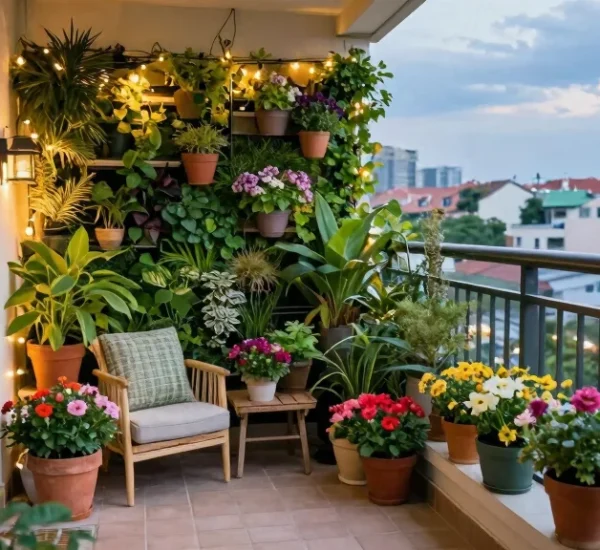
A bare balcony can make an apartment feel smaller than it is. A few smart choices can turn that same slab of concrete into the place you choose first after work, before coffee, or during a slow Sunday afternoon. The best Balcony Garden Ideas are not about stuffing every inch with plants; they are about shaping a space that feels calm, shaded, useful, and personal. For many Americans living in condos, rentals, townhomes, or city apartments, the balcony is the only outdoor room available, so it deserves more care than a folding chair and one half-dead pot. You do not need a designer budget or a suburban backyard to make it work. You need the right scale, the right plants, and a layout that respects wind, sun, privacy, and daily life. A helpful place to start is thinking of your balcony as part garden, part living room, and part retreat, especially if you enjoy reading practical lifestyle resources from a local home improvement perspective. Small spaces ask for sharper decisions. That is their gift.
Balcony Garden Ideas That Start With Space, Not Plants
A good balcony garden begins before you buy a single planter. Most people rush straight to greenery, then wonder why the space still feels awkward. The smarter move is to read the balcony like a room: where you stand, where you sit, where the sun hits, where your neighbor can see you, and where water drains after a storm. That first hour of observation saves weeks of frustration later.
Small balcony garden layouts that do not feel crowded
A small balcony garden works best when the floor stays as open as possible. The mistake is treating every corner as empty space that needs filling. In a five-by-eight-foot balcony in Chicago, for example, two narrow railing planters, one slim bench, and a single tall corner pot can feel richer than ten scattered containers fighting for attention.
Wall space matters more than floor space. Hanging pockets, rail-mounted boxes, and vertical shelves let you grow herbs, trailing flowers, or compact greens without blocking your path. The point is not to grow the most plants. The point is to keep the balcony easy to enter, clean, and use.
One counterintuitive rule helps: leave one corner empty on purpose. That breathing room makes the rest of the layout look planned rather than cramped. Empty space is not wasted space. It is what lets the garden feel comfortable instead of cluttered.
Outdoor seating area choices for tight spaces
An outdoor seating area on a balcony needs to earn its place every day. Oversized lounge chairs may look tempting online, but they often turn a small balcony into a storage problem with cushions. A folding bistro chair, a narrow storage bench, or a compact rocker gives you comfort without stealing the whole floor.
The best seat faces the strongest view, not always the railing. Sometimes the better view is inward, toward a wall of plants that blocks a parking lot or alley. A renter in Phoenix might angle a chair toward a shaded herb shelf instead of the harsh afternoon sun, and the whole space changes from exposed to intentional.
Comfort also depends on what sits beside the chair. A tiny side table for coffee, pruning scissors, or a book can matter more than a second seat nobody uses. Many balconies fail because they are arranged for imaginary guests instead of the person who lives there.
Choosing Plants That Match Real Balcony Conditions
Once the space makes sense, plants become easier to choose. Balcony gardening in the United States is tricky because conditions change fast from region to region and even floor to floor. A second-floor balcony in Atlanta may act like a warm patio, while a tenth-floor balcony in Boston can behave like a windy ledge. Plants do not care what looks good in a store. They care about light, water, wind, heat, and room for roots.
Apartment balcony plants for sun, shade, and wind
Apartment balcony plants should match the balcony first and your wish list second. Full-sun balconies can handle lavender, rosemary, zinnias, dwarf peppers, geraniums, and many succulents. Shaded balconies often do better with ferns, begonias, caladiums, mint, parsley, and pothos during warm months.
Wind changes everything. A breezy balcony dries soil faster, snaps weak stems, and makes tall plants lean like tired umbrellas. In coastal cities, high-rises, and open suburban complexes, low-growing plants and heavier pots often beat dramatic vertical displays.
Local climate deserves respect too. The USDA Plant Hardiness Zone Map can help you understand your region’s baseline growing conditions, but balcony microclimates still need your own judgment. A south-facing balcony in Dallas may cook a plant that survives happily in the ground, while a north-facing balcony in Seattle may need shade-loving choices and patient watering.
Container gardening tips for healthier roots
Container gardening tips often focus on pot style, but roots care more about drainage and soil quality. A pretty pot with no drainage hole becomes a slow-motion disaster after two storms. Water sits at the bottom, roots lose air, and the plant declines even while you keep trying harder.
Use potting mix, not heavy yard soil. Potting mix drains better, weighs less, and gives roots room to breathe. This matters on balconies because weight limits are real, especially in older buildings or upper floors. A few medium containers usually make more sense than one massive planter filled with wet soil.
Watering needs a steady rhythm rather than panic. Stick a finger into the soil before watering, and learn how each pot behaves after sun, rain, and wind. Plants in small containers may need water often in July, while the same pots may stay damp for days during a cool April week.
Creating Privacy, Shade, and Comfort Without Closing In the Space
Plants alone cannot solve every balcony problem. Real outdoor comfort comes from managing exposure. Too much sun makes the balcony unusable. Too much visibility makes it feel tense. Too much shade can make it gloomy. The sweet spot sits between shelter and openness, and that balance depends on what bothers you most when you step outside.
Privacy screens that still let air move
Privacy screens work best when they soften views instead of building a wall. Reed fencing, lattice panels, outdoor curtains, and tall grasses can block direct sightlines while keeping airflow alive. A balcony that cannot breathe becomes hot, stale, and unpleasant.
Tall planters can do this beautifully. A row of ornamental grasses or bamboo-style plants in long containers can screen a neighbor’s window without making the space feel boxed in. In a Los Angeles apartment, for example, a narrow planter with upright plants may create enough separation from the next balcony without violating building rules.
Check lease and HOA rules before attaching anything to railings or exterior walls. Many American apartment buildings allow freestanding items but ban drilled hardware or materials visible from the street. A freestanding folding screen often solves the issue with less drama.
Balcony shade ideas for hot afternoons
Shade should protect the person, not cover the entire balcony. A half umbrella, clip-on shade sail, roll-up bamboo shade, or tall plant grouping can cool the seating zone while leaving plants enough light. Full shade may feel peaceful for one week, then leave your herbs sulking.
Heat builds from below as well as above. Concrete floors, metal railings, and brick walls can hold afternoon heat and radiate it back at night. An outdoor rug, raised wood tiles, or a few light-colored surfaces can reduce that harsh baked feeling underfoot.
Plant placement can help too. Put heat-tolerant plants near the brightest edge and shade-sensitive seating behind them. The plants take the brunt of the sun, and you sit in the softer layer behind them. That is not decoration. That is design doing useful work.
Making the Balcony Garden Easy to Maintain All Season
A balcony garden should not become another demanding chore in an already full American schedule. The goal is a space that rewards attention without punishing you for a busy week. Maintenance begins with honest choices: how often you travel, how much water you can carry, whether your balcony has a hose, and how much cleanup you can tolerate after storms.
Container gardening tips for watering, feeding, and cleanup
Good container gardening tips can keep the whole setup from becoming messy by midsummer. Use saucers only where they will not trap standing water for days, and empty them after rain if mosquitoes are a concern. In many U.S. cities, standing water turns from harmless to irritating fast.
Choose slow-release fertilizer or a simple feeding schedule you can remember. Balcony plants depend on you because nutrients wash out of containers over time. Herbs, annual flowers, and vegetables often need steady feeding, while succulents and many perennials ask for less.
Cleanup becomes easier when every item has a place. Keep a small waterproof box for gloves, snips, plant ties, and a hand broom. A balcony garden feels peaceful when you can maintain it in ten minutes instead of dragging supplies through the apartment each time.
Small balcony garden habits that prevent burnout
A small balcony garden stays enjoyable when you grow fewer things well. Six thriving pots will give you more pleasure than twenty struggling ones. This sounds obvious, but garden centers are built to make restraint feel like failure.
Seasonal edits help the space stay alive. In spring, you might grow pansies, parsley, and lettuce. In summer, basil, peppers, petunias, and marigolds can take over. In fall, mums, ornamental kale, and hardy herbs can keep the balcony from looking abandoned after Labor Day.
The best habit is a weekly balcony reset. Sweep the floor, deadhead flowers, rotate pots, check leaves, and sit for five minutes before going back inside. That last part matters. If you only visit your garden to fix it, you will start seeing it as work instead of relief.
Designing Mood With Texture, Lighting, and Personal Detail
After the plants, seating, shade, and maintenance plan are in place, the balcony starts asking for personality. This is where many people either stop too soon or go too far. A strong balcony does not need piles of decor. It needs a few chosen details that make the space feel like yours when the sun drops and the city noise settles.
Outdoor seating area details that make evenings better
An outdoor seating area becomes more inviting when the textures feel layered. A washable cushion, a small outdoor rug, a throw kept indoors until needed, and a weather-safe side table can make ten square feet feel like a proper room. Texture does what size cannot.
Lighting carries more weight than people think. Battery lanterns, warm string lights, or solar railing lights create enough glow for conversation without turning the balcony into a stage. Bright white light often kills the mood, especially in apartment buildings where neighbors are close.
Sound deserves attention as well. Wind chimes may bother neighbors, but soft rustling grasses, a small tabletop fountain where allowed, or even the sound buffer from dense leaves can change how the balcony feels. Comfort is not only what you see. It is what your nervous system stops fighting.
Apartment balcony plants as part of your daily rhythm
Apartment balcony plants can become part of your routine when they sit where you naturally notice them. Put herbs near the door if you cook often. Place flowering pots where you see them from the sofa. Set a fragrant plant near the chair if evenings are your main balcony time.
Personal detail should never compete with the plants. One ceramic pot from a trip, one weather-safe art piece, or one favorite color repeated through cushions and planters can say more than a shelf full of objects. The garden should look lived with, not staged for a catalog.
A balcony also changes with your life. A remote worker may need a morning coffee nook. A parent may want safe rail spacing and spill-proof planters. A renter saving for a home may want portable pieces that move easily. The best Balcony Garden Ideas respect that your outdoor space is not frozen in one perfect photo.
Conclusion
The strongest balcony gardens come from honest design, not excess. You choose what the space must do, then let every plant, chair, screen, and light serve that purpose. That approach matters because most American balconies are not large enough to forgive random decisions. They reward focus.
Start with one practical upgrade this week. Measure the floor, watch the light for a day, remove anything you do not use, and choose one zone to improve first. Maybe that means a better chair. Maybe it means two railing planters. Maybe it means replacing struggling plants with tougher ones that match your sun and wind.
Balcony Garden Ideas work best when they turn a small outdoor edge into a daily habit. You are not building a showpiece for strangers. You are building a place that gives you a little air back. Begin with the corner you already look at most, and make it worth stepping toward.
Frequently Asked Questions
What are the best balcony garden ideas for small apartments?
Choose vertical planters, railing boxes, compact seating, and lightweight containers. Keep the floor open so the balcony still feels usable. A small apartment balcony looks better with fewer strong choices than with too many pots squeezed into every corner.
How do I start a small balcony garden on a budget?
Begin with two or three containers, quality potting mix, and plants that match your light. Herbs, annual flowers, and easy greens offer strong value. Reuse safe containers when possible, but make sure every pot has drainage before adding soil.
Which apartment balcony plants are easiest for beginners?
Beginners often do well with mint, basil, parsley, pothos, geraniums, marigolds, succulents, and snake plants in warm seasons. Match each plant to your sun exposure. A healthy low-maintenance plant beats a dramatic plant that dislikes your balcony.
How can I make an outdoor seating area feel cozy?
Use one comfortable chair, a small table, warm lighting, and one soft texture like a cushion or outdoor rug. Face the seat toward the best view or toward your plants. Cozy comes from intention, not from filling the balcony with furniture.
What container gardening tips matter most for balconies?
Use lightweight pots with drainage holes, choose potting mix instead of yard soil, and water based on soil moisture rather than a fixed calendar. Group plants with similar water needs together. This keeps care simpler and helps prevent overwatering.
How do I add privacy to a balcony garden without blocking light?
Use lattice panels, tall grasses, railing planters, or outdoor curtains placed only where sightlines are strongest. Partial screening often works better than full coverage. It protects your comfort while keeping the balcony bright and airy.
What plants grow well on a sunny balcony?
Rosemary, lavender, zinnias, petunias, peppers, tomatoes, marigolds, and many succulents can handle strong sun when watered properly. Hot balconies dry out fast, so larger containers and consistent moisture checks help plants stay healthy.
How can I maintain a balcony garden with a busy schedule?
Grow fewer plants, pick hardy varieties, and set a weekly reset routine. Keep tools nearby in a weather-safe box so care stays easy. Ten focused minutes each week can prevent most balcony garden problems before they become discouraging.